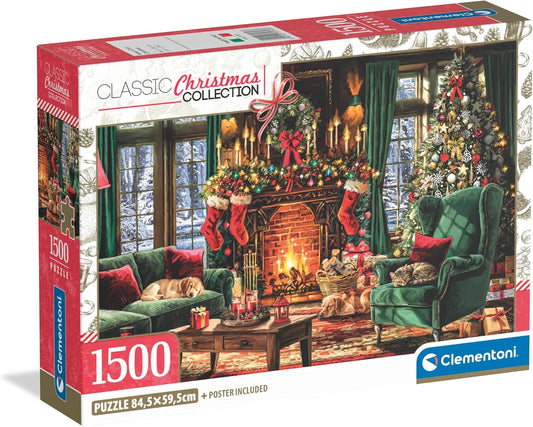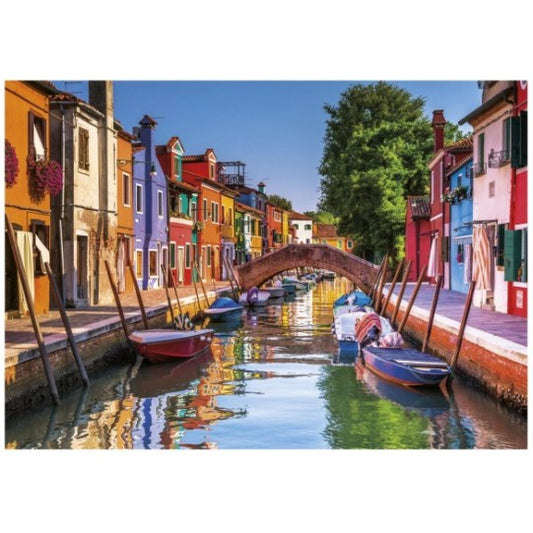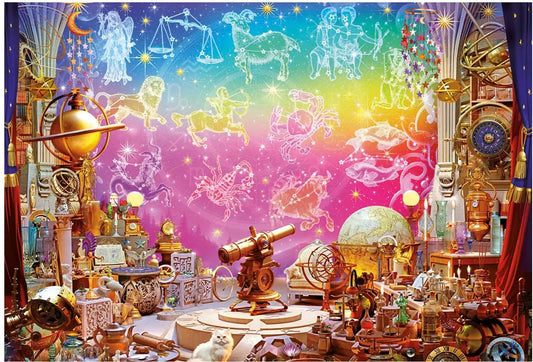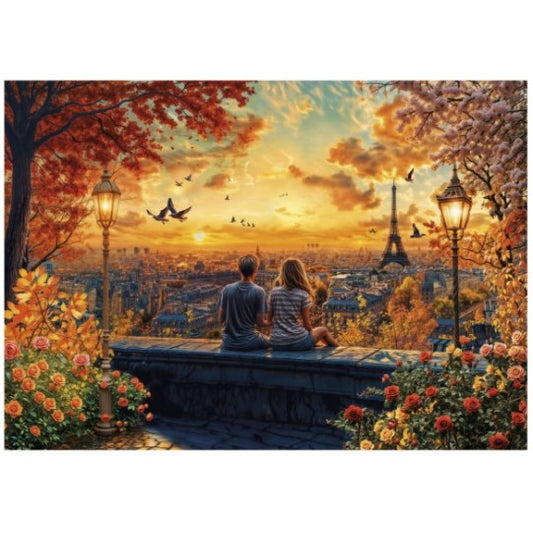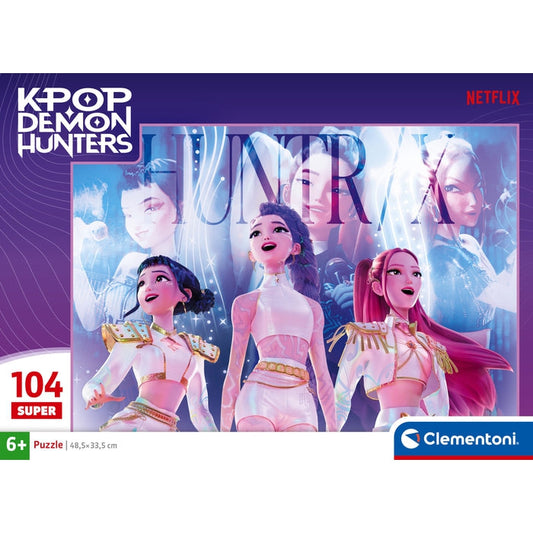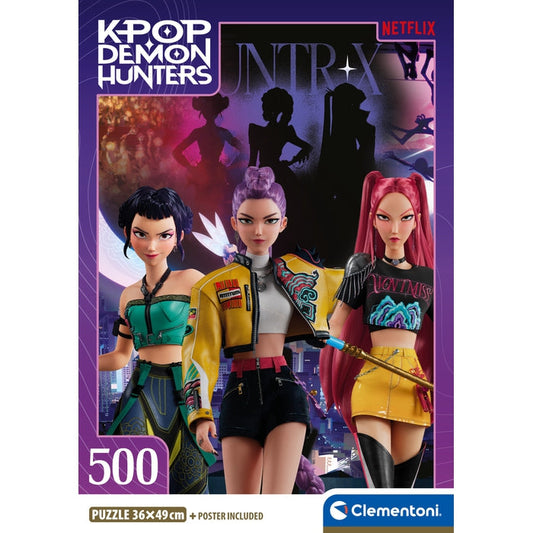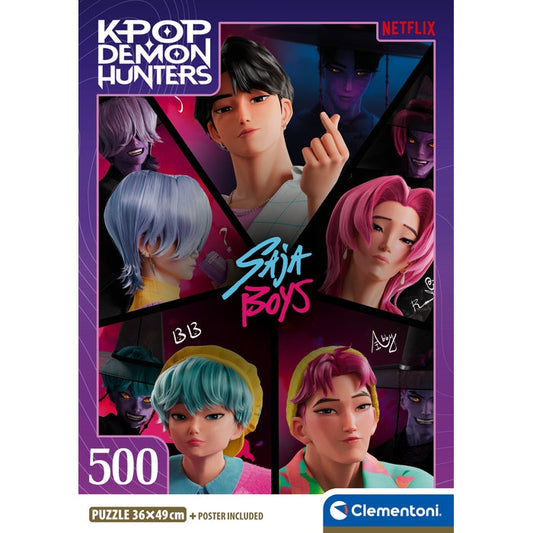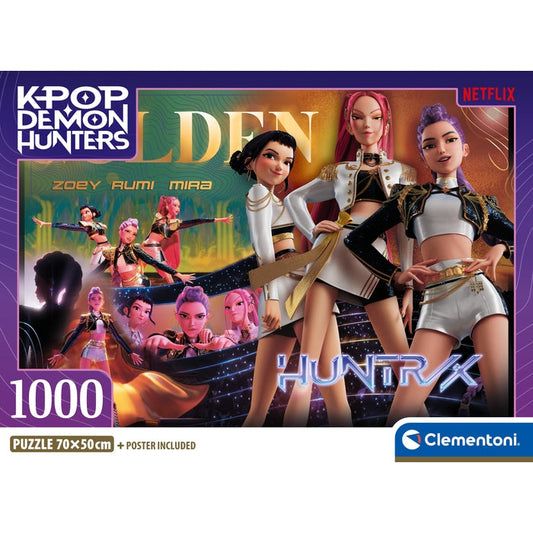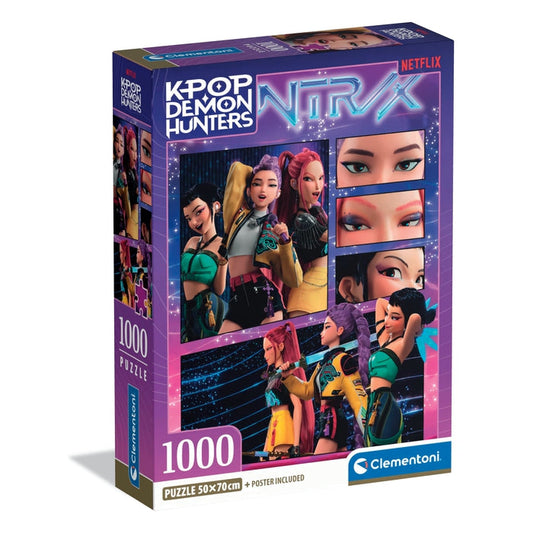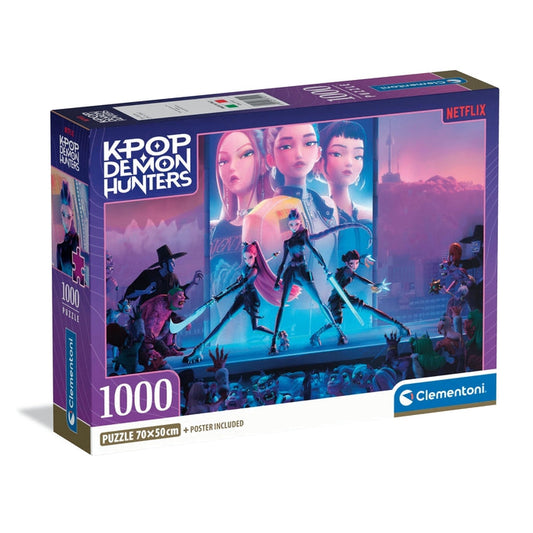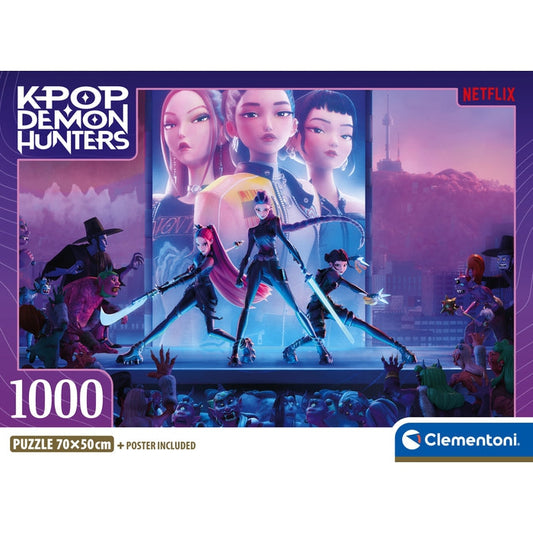
Giving a puzzle for Christmas is a choice with more reach than it seems at first glance. It is not just an object to unwrap during the gift exchange. It is an invitation to time well spent, focused attention and quiet enjoyment, something especially valuable in a season so full of stimuli, commitments and rush.
When chosen well, a puzzle becomes a gift that keeps on giving days or weeks after Christmas night.
Why puzzles are Christmas gifts with lasting value
Some gifts impress for a few minutes and quickly lose their appeal. A puzzle tends to do the opposite. It starts by sparking curiosity with the image, the shape of the box or the promise of a challenge. Then it comes to life on the living room table, on a winter afternoon, during a family weekend or on a quiet evening for two.
This gradual quality explains part of its charm. Every piece you find offers a small mental reward, and that succession of small wins creates a very enjoyable experience. For many people, doing a puzzle is also a way to take a break from too much screen time without slipping into idleness.
There is also an emotional side that fits Christmas perfectly: a puzzle invites sharing. Even when it is meant for one person, it easily draws others to the table. Some help sort colors, others look for corners, others drop by for a few minutes and come back later. The gift stops being just a material object and starts creating a moment.
How to choose Christmas puzzles by age and experience level
Choosing well takes more than looking at the picture on the box. The piece count, the type of illustration, the finish and even the space needed for assembly all have a direct impact on the experience. A puzzle that is too simple may feel underwhelming; one that is too demanding risks being left half done.
Age helps, but it should not be the only criterion. Some teenagers love dense challenges and some adults prefer more relaxing compositions. It is worth thinking about the person receiving the gift: do they like detail or clean images? Do they have patience for long projects? Do they usually puzzle alone or in a group?
| Profile | Suggested piece count | Image type | Recommended format |
|---|---|---|---|
| Young children | 24 to 100 | animals, simple scenes, bold colors | large pieces |
| School-age children | 100 to 300 | maps, fantasy, storytelling illustrations | compact box |
| Teenagers | 300 to 1000 | art, movies, landscapes, pop culture | classic or panoramic puzzle |
| Beginner adults | 500 to 1000 | sharp photography, distinct patterns | traditional puzzle |
| Experienced adults | 1000 to 3000+ | artworks, dense images, collages | special edition, large format |
| Families | 500 to 1500 | festive themes, travel, cities | puzzle for a shared table |
Types of puzzles to give for Christmas
Today's selection is very rich, which works in favor of anyone who wants to give an original gift without straying from a safe choice. It is no longer just about the classic rectangular puzzle. There are options with textures, irregularly cut pieces, round formats, wooden versions and even three-dimensional builds.
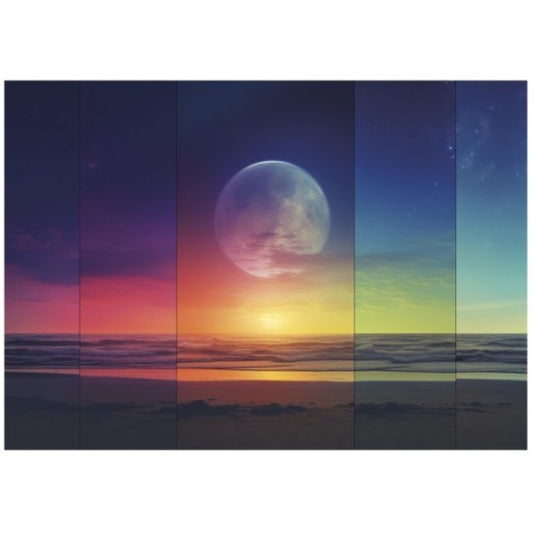
A classic puzzle is still a strong bet, especially when the image is well chosen. Winter landscapes, illuminated cities, libraries, travel, botanicals and paintings remain very popular. For a festive atmosphere, cozy images work very well, but you do not have to stick to the holiday theme. Many people prefer to receive a timeless puzzle they can assemble in January without feeling that the season is already over.
3D puzzles deserve special attention. They are ideal for people who love objects, architecture or small builds. Replicas of monuments, globes, decorative boxes and mechanical models bring a more hands-on, less contemplative side. Wooden puzzles, with thick pieces and creative cuts, usually have a very strong visual and tactile appeal, which makes them excellent gifts.
If you want to steer away from the usual, these options are worth a look:
- Panoramic puzzles
- Round puzzles
- Wooden puzzles
- 3D puzzles
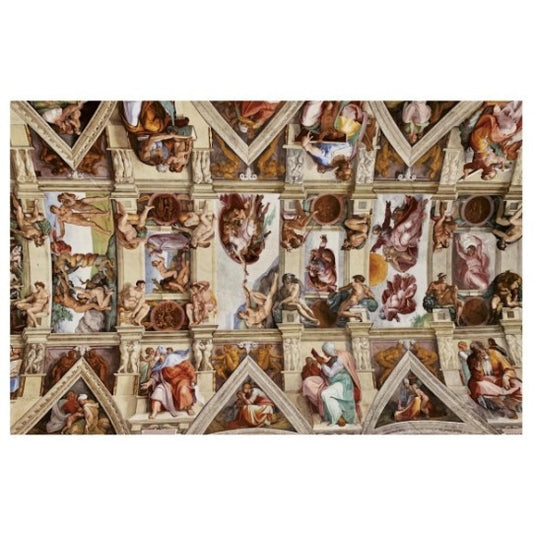
- Classic art puzzles
- Map puzzles
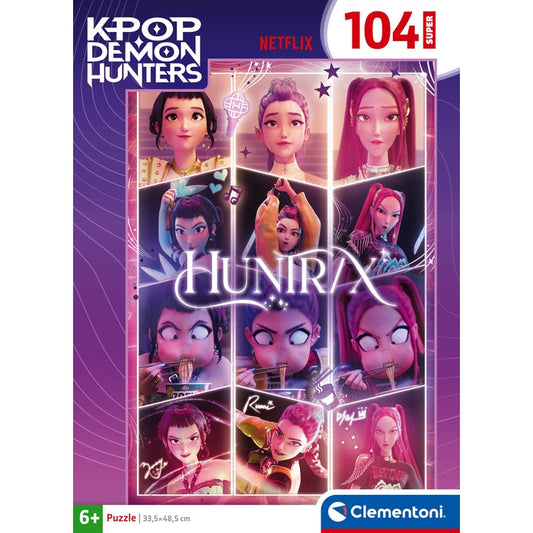
- Contemporary illustration puzzles
Puzzle ideas for different types of people
Not everyone wants the same kind of challenge, and that is one of the most interesting things about this world. A puzzle can be serene, decorative, intense, technical or almost meditative. When you think about the specific person, your chances of getting it right go up a lot.
For someone who appreciates décor and beautiful objects, a puzzle with sophisticated illustration or a premium finish can be an excellent choice. Some boxes are designed to be displayed on a shelf, with careful design and images that deserve to be framed afterward. For those who value aesthetics, the puzzle does not end when the last piece goes in: it can get a second life on the wall.
A more analytical person may enjoy demanding visual structures, repeating patterns, architecture, antique maps or urban scenes full of detail. Those looking for a more relaxing pastime tend to prefer open landscapes, nature themes, flowers, the sea, gardens or cozy interior scenes.
If you are choosing based on personality, these pairings usually work well:
- For art lovers: painting reproductions, museums, editorial illustration, fine art photography
- For families: wide scenes, varied colors, medium difficulty, 500 to 1500 pieces
- For teenagers: movies, music, fantasy, video games, graphic design
- For methodical people: maps, cities, patterns, libraries, visual collections
- For those seeking calm: nature, sky, mountains, gardens, sea
- For collectors: limited editions, leading brands, unusual formats
There is also a very particular profile worth keeping in mind: the person who “already has everything”. In these cases, a puzzle works especially well because it offers an experience, not just something useful. It is an elegant, understated and thoughtful gift that never feels impersonal.
Piece count and difficulty: how to get it right
The most common mistake is to equate value with a very high piece count. A 2000-piece puzzle is not automatically better than a 500-piece one. It all depends on taste, available time and a genuine willingness to take on a long project. A good gift respects the pace of the person receiving it.
It is also worth looking at the image itself. A 1000-piece puzzle with very distinct colors can be easier than a 500-piece one with a gray sky, a dark sea and repeating patterns. Difficulty comes from the combination: number of pieces, color palette, detail, piece cut and print quality.
A simple rule helps a lot:
- Up to 100 pieces: ideal for young children and first experiences
- 100 to 300 pieces: good for children with some practice and for family moments
- 500 pieces: a very pleasant balance for a casual gift
- 1000 pieces: a safe choice for adults who already enjoy puzzles
- 1500 pieces or more: suited to enthusiasts and long projects
Material quality in Christmas puzzles
A beautiful image catches the eye, but material quality determines much of the experience. Cardboard that is too thin, blurry printing or loose-fitting pieces can take the joy out of assembling. In a Christmas gift, these details matter a lot, because they shape the very first impression.
Sturdy pieces, clean cuts and a good finish make a difference. Opening the box becomes more satisfying, sorting the pieces goes more smoothly and the fit feels reassuring. Regular puzzlers notice these differences right away; beginners feel them too, even if they cannot put a name to them.
It is worth checking the box size, the included reference image and, when available, a matte finish, which reduces light glare. This last point is especially useful under artificial lighting, which is very common in winter.
Gift presentation and small extras that add value to a puzzle
At Christmas, the way you give a gift also matters. A beautiful puzzle, carefully wrapped, already arrives with added value. If the person really enjoys this kind of pastime, it may make sense to add a small extra that makes the experience even more enjoyable.
A puzzle board, glue for framing, a tray for sorting pieces or even a storage box are simple, effective add-ons. There is no need to overdo it. Just think about real use. A small gesture, when it hits the mark, greatly increases the usefulness of the gift.
Including a card with a short, personal note also works well. Something like “for cold January afternoons” or “to put together without hurry” gives context and turns the object into an invitation to spend time, not just a purchase. That kind of care is often what separates a nice gift from a memorable one.
Current trends in puzzles to give for Christmas
In recent years, puzzles have gained a stronger following among adults, and that has brought interesting new developments. Demand has grown for designer editions, contemporary illustrations, more elegant packaging and less obvious themes. Today there are puzzles with a carefully crafted visual identity, designed to please both puzzlers and design lovers.
There is also growing interest in unusual formats. Mini puzzles to take on trips, wooden versions with special cuts, themed series and boxes that work almost like collectibles are gaining ground. This trend opens the door to more personal, less predictable gifts with a touch of genuine originality.
Anyone looking for a Christmas gift that balances beauty, usefulness and longevity will find a very solid answer in puzzles. There are options for different ages, budgets and lifestyles, which makes the choice broad without being confusing, as long as you think about the person first and only then about the piece count or the image on the box.
And there is one detail worth remembering: a good puzzle offers more than a pastime. It offers focus, a pause, conversation and that quiet pleasure of watching an image take shape piece by piece.