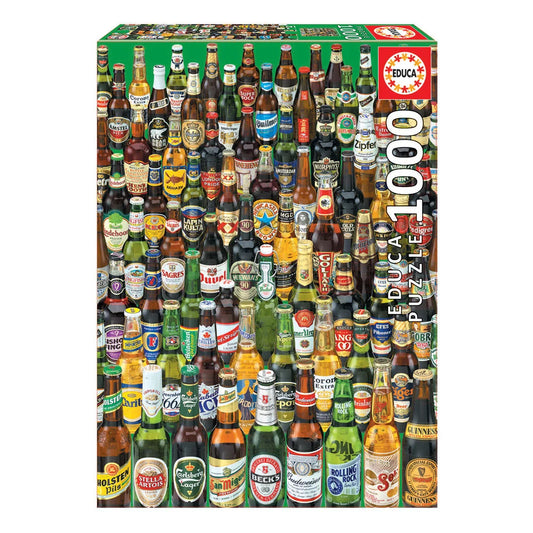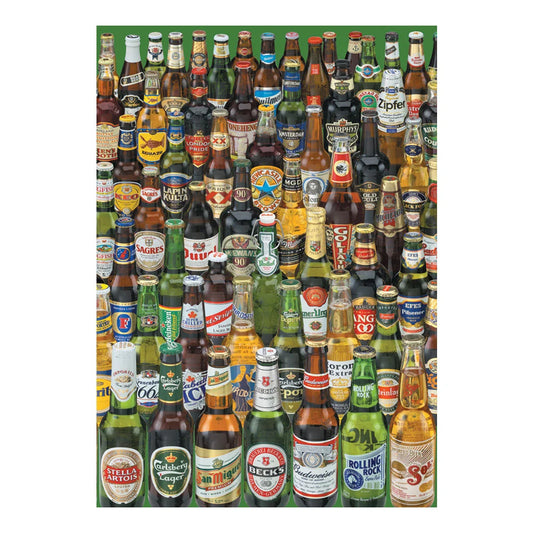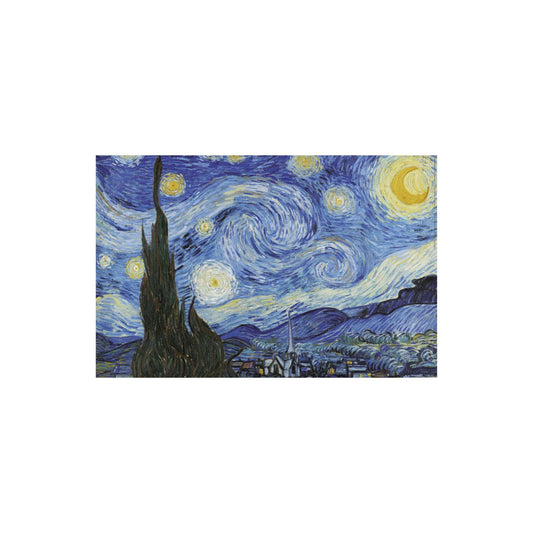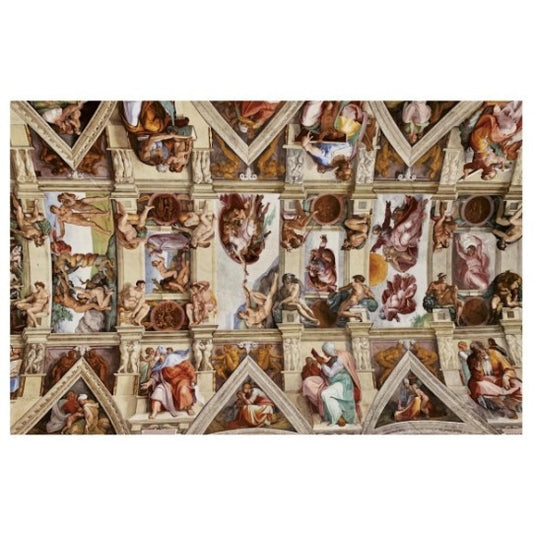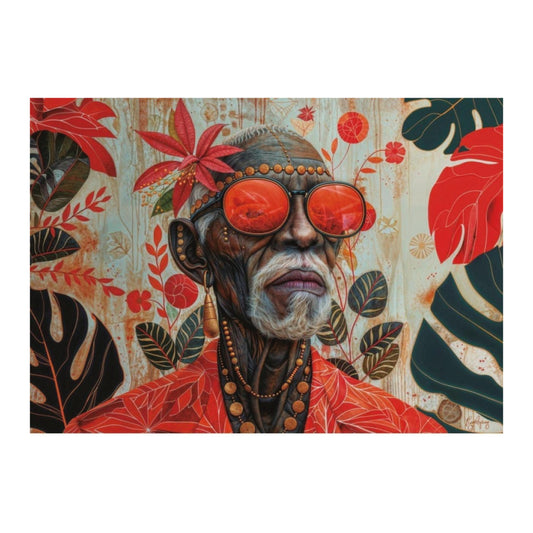
Some objects fill your time. And some objects give shape to it. A premium collection puzzle clearly belongs to the second group.
When the illustration, the cut, the texture and the presentation all reach a higher level, putting it together stops being merely recreational. It becomes a practice in attention, a visual exercise and, often, a decorative piece with value of its own. That's precisely where this category comes into its own.
Premium puzzles cater to a discerning audience that appreciates design, print quality and a consistent tactile experience from start to finish. It's not just about having more pieces or a nicer box. It's about an object designed with intention.
In a market where almost everything competes for the immediate, a premium collection puzzle offers something different: slowness with purpose, aesthetics with substance and material pleasure in an accessible format.
What defines a premium collection puzzle
A premium puzzle stands out thanks to a rare combination of attributes. Quality isn't only in the end result, but in the entire experience of using it: opening the box, sorting the pieces, feeling the surface, noticing the sharpness of the image and realizing that every fit was designed to be precise.
There's a clear difference between an ordinary puzzle and a collector's piece. In premium models, the artwork is usually selected more carefully, the board is denser, the finish reduces excessive glare and the print preserves detail, depth and color balance. The box, in turn, tends to match these high standards, with careful graphics and solid materials.
There's also an emotional factor. A puzzle in this category isn't bought just to “pass the time.” It's chosen. Often, it's given as a gift. In other cases, it's kept as part of a visual collection, almost like an art book in interactive form.
After a few sessions, the benefits become very clear:
- sustained focus
- tactile pleasure
- decorative value
- a sense of progress
- a quality mental break
Materials and finish in premium puzzles
Material makes a difference, and you feel it as soon as you pick up the pieces. The board used in premium lines is usually thicker and better compressed, which helps avoid flimsy pieces, loose fibers and poorly defined fits. The result is a more stable and much more satisfying assembly.
The surface finish deserves special attention. Many puzzles in this range use matte or semi-matte textures to control glare and make the image easier to read under artificial light. It may seem like a small detail, but it profoundly changes the experience, especially with dark images, artworks with subtle gradations or compositions with repeated patterns.
Cutting precision is another sign of quality. When pieces have clean outlines and consistent fits, assembly flows more smoothly. There's less frustration, less ambiguity and more confidence with each move. Anyone who does puzzles regularly notices this difference immediately.
In some collections, the attention to detail extends to the inside of the packaging. Sturdier bags, less dust from the cutting and well-printed information materials reinforce the feeling that the product was designed as a whole.
Art and design in premium collection puzzles
Art is often at the heart of the premium offering. Instead of generic images or overly predictable compositions, you'll find original illustrations, classical paintings, carefully edited photography, vintage posters, architecture, contemporary patterns and editions associated with artists or museums.
This changes your relationship with the object considerably. The puzzle is no longer just a visual challenge; it becomes a way of engaging with graphic language, composition, color and visual storytelling. Some images call for slow observation. Others reveal details as the assembly progresses. That progression is part of the charm.
A good art puzzle creates a kind of dialogue between analysis and contemplation. You assemble it attentively, but you also admire it. When you finish, you'll often feel like framing it.
This aesthetic dimension explains why so many people now include premium puzzles in more refined relaxation routines. They're not just pastimes. They work as cultural objects for everyday home use.
Standard puzzle vs. premium puzzle
The difference between the two categories can be summed up in practical terms:
| Criterion | Standard puzzle | Premium collection puzzle | Impact on the experience |
|---|---|---|---|
| Board | Medium thickness | Dense, stable board | Sturdier, more durable pieces |
| Good, but variable | High definition and balanced color | Clearer visual reading | |
| Finish | Often glossy | Matte or semi-matte | Less glare, more comfort |
| Cut | Functional | More precise and consistent | Secure fits |
| Image selection | More mass-market | Stronger aesthetic curation | Greater visual value |
| Packaging | Utilitarian | Carefully designed and sturdy | Better gifting and collecting experience |
| Value after assembly | Limited | Strong decorative potential | Extended use after assembly |
Not everyone needs the premium segment. But those who value detail, design and buying again quickly recognize the difference.
Who premium collection puzzles are for
This type of puzzle is particularly appealing to those looking for more than occasional entertainment. Collectors, art lovers, people who appreciate well-designed objects and even creative professionals tend to love this category.
They're also an excellent choice as a gift. Some gifts serve a practical purpose. Others reveal good taste. A premium puzzle belongs to the second group, because it combines usefulness, beauty and a personal experience that lasts over time.
In carefully curated homes, these puzzles also work as a smart alternative to certain impulse purchases. Instead of a passive decorative object, they offer hours of engagement before earning a place on a wall, in a frame or in a storage folder.
Some people also use them as a ritual for a mental break, away from screens and notifications. Seen this way, a premium collection isn't a needless luxury. It's a conscious choice of quality.
How to choose premium collection puzzles wisely
Choosing well means looking at more than the number of pieces. A 1000-piece puzzle can be quite accessible for an experienced puzzler and too demanding for someone who prefers a lighter session. The image, the color palette and the repetition of elements matter as much as the size.
It's worth thinking about the purpose. Is it a gift? Will you assemble and frame it? Or keep it intact as a collector's piece? Each intention calls for different criteria.
These are usually the most useful points to evaluate:
- Type of image: works of art, contemporary illustration, photography, graphic patterns
- Difficulty level: color contrast, repeated areas, large uniform areas
- Material quality: board thickness, cut, durability of the pieces
- Box presentation: sturdiness, design, included information
- Decorative potential: visual impact of the finished result
It's also worth checking whether the brand works with licensed editions, renowned artists or themed collections. This detail can increase the puzzle's appeal as a collectible.
If you're buying a gift, pay attention to the balance between beauty and accessibility. An extraordinary but overly uniform image can create more effort than pleasure, especially for someone who isn't used to assembling complex puzzles.
Number of pieces, format and assembly experience
The number of pieces affects assembly time, but it doesn't determine the quality of the experience on its own. A 500-piece puzzle with an intricate illustration can be more demanding than a 1000-piece puzzle with very well-defined color zones.
The format also deserves attention. There are panoramic puzzles that showcase landscapes and architecture, square versions ideal for graphic images and large-scale editions designed to be displayed. In premium models, the format is rarely neutral. It's part of the visual language.
To help you choose, this overview can be useful:
- 500 pieces: ideal for shorter sessions and a safe gift
- 1000 pieces: a very appealing balance between challenge and visual pleasure
- 1500 to 2000 pieces: for those who want long-lasting immersion
- special formats: strong aesthetic impact, variable difficulty
When the puzzle is part of a collection, the format carries even more weight. Several titles with a consistent graphic identity create a very appealing visual library, even before they're assembled.
The decorative value of assembled premium puzzles
One of the great advantages of this category is its ability to move from use to display. Not every puzzle deserves to be preserved after assembly. With premium puzzles, this happens often.
Images with good composition, sharp printing and an elegant finish work very well in contemporary interiors, offices, libraries or reading nooks. The puzzle is no longer the memory of an activity: it becomes part of the space.
There are several simple ways to achieve this:
- Classic frame: ideal for artworks or photography
- Rigid panel: a discreet option for larger formats
- Flat storage: suitable for those who prefer to keep it without displaying it
- Seasonal rotation: interesting for collections with several striking images
Whether to display or store depends on each person, but the possibility of extending the puzzle's aesthetic life is one of the strongest arguments in favor of the premium collection.
Care and durability of premium collection puzzles
Durability starts with how the pieces are handled. Clean surfaces, good lighting and sorting boxes help preserve the puzzle's condition during assembly. With premium editions, this care makes sense, since the value of the object justifies a little extra attention.
Once finished, there are three common options: take it apart and store it, glue and frame it, or keep it in sections. Each option has its own advantages. Storing it lets you repeat the experience or keep the collection intact. Framing turns the puzzle into a permanent visual piece. Keeping it in blocks makes it easier to transport and reassemble later.
Humidity, direct light and excessive weight are the main threats to preservation. Pieces under pressure can warp, and prolonged sun exposure tends to alter colors over time. Simple, dry and stable storage takes care of almost everything.
For a collection, organizing by brand, artist, size or theme helps not only with preservation, but also with the pleasure of following the collection as a personal treasure.
Premium puzzles as a gift with character
Giving a premium puzzle means giving time well spent. It's a particularly good idea for birthdays, holidays, housewarmings or moments when you want to show up with aesthetic sensitivity.
The advantage lies in its versatility. There are options for those who love painting, botanical illustration, cities, graphic design, nature or abstract patterns. With a little attention to the recipient's personality, it becomes a gift with a strong personal touch.
It also communicates a certain intention: choosing something beautiful, durable and intellectually stimulating. That combination is rare in the world of last-minute gifts.
When the packaging matches the quality of the contents, the gift is perceived on a whole new level. And with premium collection puzzles, that happens often.
Current trends in premium collection puzzles
The premium segment has been moving closer to areas once more associated with books, editorial design and art collecting. There's growing interest in collaborations with illustrators, limited series and images with a very distinctive visual identity.
Botanical themes, modern art, architecture, vintage imagery and narrative illustration are gaining ground. There's also greater attention to the color palette and to the balance between challenge and legibility. A good premium puzzle aims to be beautiful before, during and after assembly.
Another relevant trend is the growing appreciation of the at-home experience. In a fast-paced daily life, slow activities and quality materials are now seen as signs of self-care, not eccentricity. Premium puzzles fit well into this change in habits.
For those who appreciate objects with presence, strong visual content and real use, this category offers a very compelling proposition: less mindless consumption, more meaningful time, more tangible beauty.