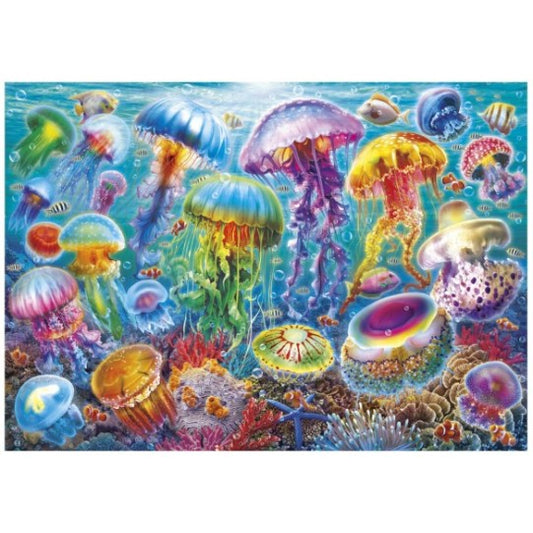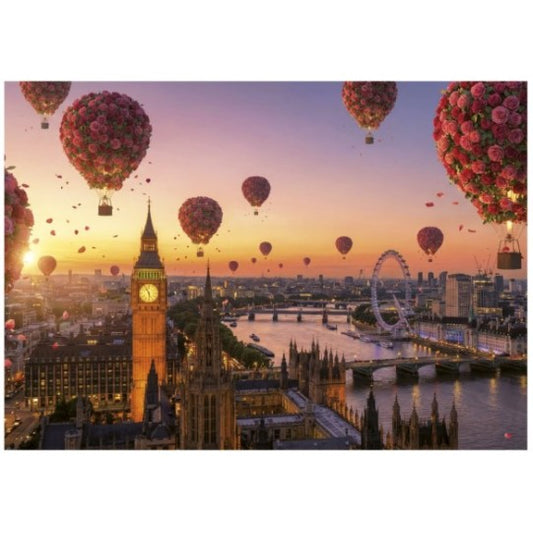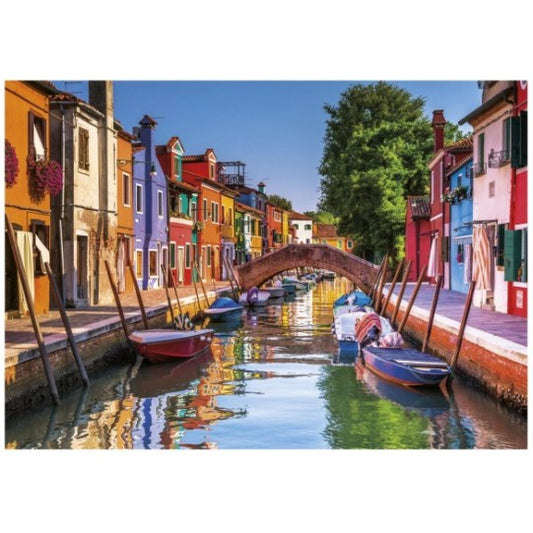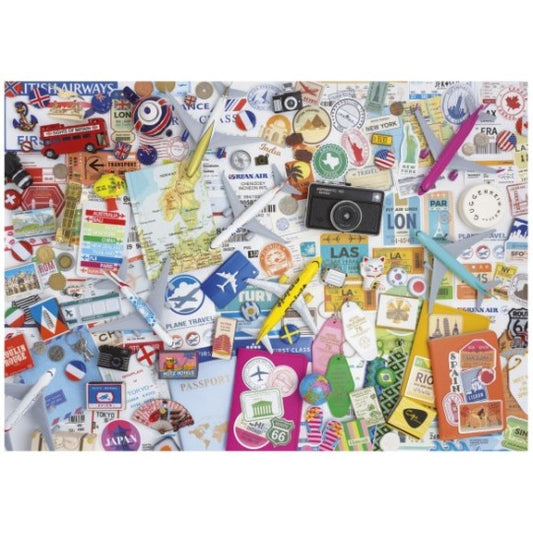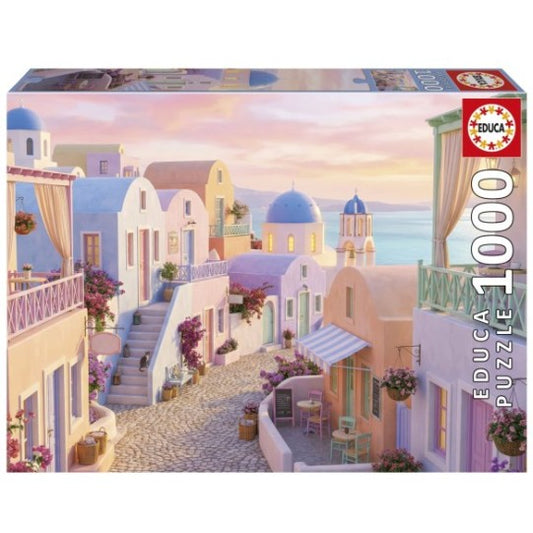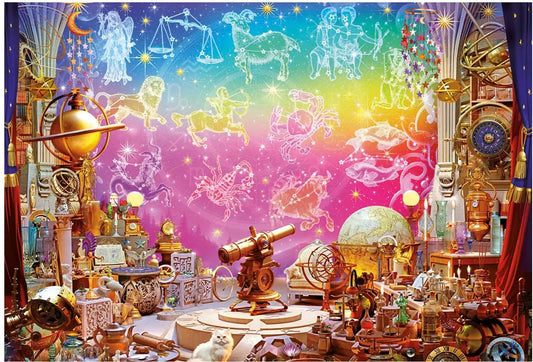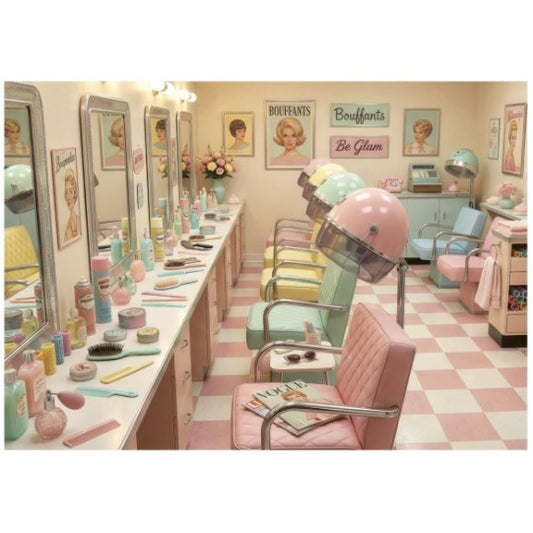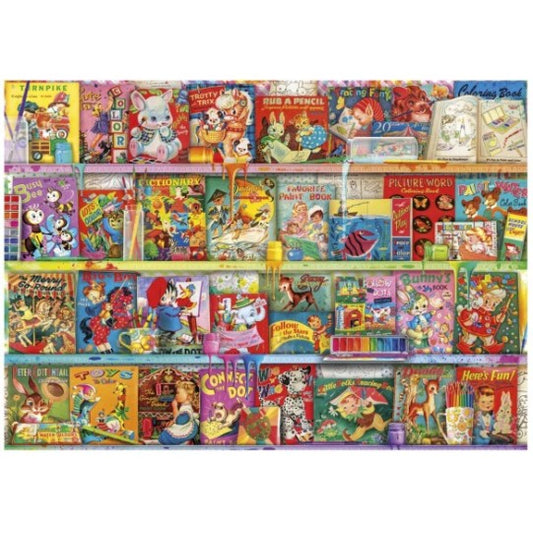
Finishing a puzzle brings a very special kind of satisfaction. There is silence, focus, persistence and, in the end, a complete image that did not exist a few hours or several days ago. Then comes a pleasant problem: what now?
Many people hesitate between storing it, gluing it, framing it or taking it all apart to start another one. The good news is simple: there is no single right answer. The best fate for a puzzle depends on the space you have, its sentimental value, the print quality, the number of pieces and even how often you like to repeat the experience.
How to decide what to do with a finished puzzle
Before you touch a single piece, it is worth looking at the puzzle as a complete object and not just as a finished pastime. Some deserve to stay on display. Others gain more value when they are taken apart and reused later. And some become raw material for decorative ideas or small handmade creations.
This decision gets easier when you ask yourself three questions: do you want to assemble it again, do you want to see it on display or do you want to free up space? The answer usually points to the most logical path.
Not every puzzle calls for a frame.
If you are undecided, consider these criteria before moving on:
- Image: does it have enough visual impact to be displayed on a wall or bookshelf?
- Size: does the finished size fit in your home without creating visual clutter?
- Sentimental value: was it assembled on a special occasion, with family or given to you by someone important?
- Condition of the pieces: is there wear, loose pieces or small flaws that make it harder to preserve?
- Desire to repeat: would you like to put it together again in a few months?
Turning your finished puzzle into home decor
One of the most popular options is to keep the puzzle whole and use it as a decorative piece. This choice makes sense when the image has aesthetic impact, suits the room and deserves a permanent place. Landscapes, vintage illustrations, maps, classical art and graphic patterns usually work very well.
To do this, there are two main routes: fixing the puzzle with special glue or preserving it without gluing it permanently. The first option gives stability and makes it easier to put in a frame. The second is more flexible and suits those who want to protect their work while keeping the option to take it apart in the future.
You don't have to hang it on the wall, either. A finished puzzle can rest on a sideboard, on a deep shelf or inside a frame placed on a piece of furniture. In reading corners, home offices or bedrooms, this approach creates an interesting focal point without requiring major changes to your decor.
Comparing methods for fixing and displaying a puzzle
Once you have decided to keep the puzzle whole, it helps to know which method best suits the result you are looking for.
| Method | Advantages | Things to watch | Ideal for |
|---|---|---|---|
| Puzzle glue on the front | Sets quickly and preserves the image | Apply evenly to avoid marks | Medium and large puzzles for display |
| Adhesive sheets on the back | Less risk of changing the image's sheen | Requires careful alignment | Anyone who wants a discreet finish |
| Frame without gluing | Lets you remove the puzzle later | Requires very stable transport to the frame | Puzzles you want to reuse |
| Rigid board with conservation tape | Good stability at a moderate cost | Best to use materials that don't yellow | Light, temporary decoration |
If you want the puzzle to blend naturally into your home, these spots usually work well:
- entrance hall
- home office
- kids' room
- reading corner
- living room shelf
- hallway wall
The choice of frame also changes the final effect. A thin, neutral frame lets the image breathe. A bolder frame turns the puzzle into a real piece of wall art. Either way, visual simplicity matters a lot: when the frame and the image compete with each other, the result loses impact.
Taking the puzzle apart and storing it to do again
There is one option that remains excellent, even if it seems the least creative: taking it apart and storing it. For those who enjoy the process more than the final object, this is often the best solution. The experience stays available for another time, without taking up walls or surfaces.
Taking a puzzle apart carefully also helps extend the life of the pieces. Instead of pushing whole sections into the box, it is better to loosen the pieces gradually, avoiding bending, forced connections and wear on the edges. If the puzzle was assembled on a portable board, the process is much more controlled.
Good storage makes a difference. Moisture, heat and excessive friction are obvious enemies, but the biggest problem is usually disorganization. A torn box, mixed-up pieces or a bag that is too thin turn a future assembly into a frustrating task.
Practical organization of puzzle pieces and boxes
A simple tidying routine saves time and protects your materials. Putting the pieces in a sturdy zip bag, keeping the box image visible and noting whether the puzzle is complete are small gestures, but very useful ones.
If you have several puzzles at home, it is a good idea to create a clear system. Labeling by piece count, theme or difficulty level lets you choose the next one more deliberately. Families who puzzle together can even keep the easier ones separate from the more challenging ones.
A good habit is to take a photo of the finished puzzle before taking it apart. That picture works as a memory, a personal record and a quick reference when the original box starts to show signs of wear.
Reusing puzzle pieces in creative projects
When pieces are missing, the box is damaged or the image no longer justifies another assembly, the puzzle can get a second life. This is an especially interesting alternative for incomplete, kids' or heavily used puzzles. Instead of being forgotten, they take on a decorative or practical purpose.
Loose pieces have a curious visual quality: texture, color and a shape that is recognizable from a distance. That opens the door to simple, affordable and very expressive projects. With a bit of judgment, the result can look sophisticated rather than improvised.
Here too there is a useful rule: only use puzzles that no longer make sense as a game. If the puzzle is complete and in good condition, there are better options before cutting it up or splitting it for good.
Some ideas work particularly well:
- Bookmarks and cards: cut out areas with interesting patterns and combine them with thicker paper
- Frame decoration: glue a few pieces around the edges to add relief and texture
- Box labels: use small compositions to mark storage in bedrooms or offices
- Themed panels: combine pieces from several puzzles to create an abstract picture
- Seasonal decorations: paint old pieces and turn them into small ornaments
There is also an educational side that deserves attention. Loose pieces are great for activities with children, school projects, and exercises with colors, counting, patterns and fine motor skills. When the material no longer has value as a complete puzzle, it can still be very valuable as a creative tool.
Donating, swapping or selling a puzzle after finishing it
Not every puzzle needs to stay at home. If you have finished one and know you are unlikely to do it again, sharing it may be the most practical solution. Libraries, schools, community centers, local groups and swap platforms welcome these items with real interest, as long as they are complete and in good condition.
Selling is also possible, especially for well-known brands, special editions, art puzzles or sets with a high piece count. The condition of the box, the presence of every piece and a sharp photo greatly influence how appealing it is. When you are transparent about the puzzle's condition, the process goes better for everyone.
Swapping deserves a special mention because it combines novelty with keeping costs down. Instead of piling up boxes, a new puzzle comes in and another goes out. For those who puzzle often, this circulation keeps the hobby alive without needing more storage space.
Before donating, swapping or selling, it is worth checking a few points:
- All pieces present: count them or check visually whenever possible
- Box in acceptable condition: a functional box makes transport and storage easier
- Reference image: include a photo of the finished puzzle or the box
- Honest information: mention missing pieces, wear or signs of use
Recording your finished puzzle and creating a visual memory
Sometimes, the best way to preserve a puzzle is not physical. It is digital. Photographing the finished result in good light, preferably natural light, lets you keep the memory of your work without taking up space. This is particularly useful if you complete lots of puzzles throughout the year and want to keep track of what you have done.
A simple folder on your phone, computer or in the cloud can become a kind of visual diary. With the date, the piece count and perhaps a short note about the experience, you create a really interesting personal record. After a while, you get a better sense of which themes appeal to you most, which difficulty levels you prefer and even how your puzzling pace has changed.
This option is a great fit for those who like to take everything apart at the end but don't want to lose the feeling of a finished work.
Choosing the best option for each type of puzzle
The choice becomes clearer when you look at the nature of the puzzle itself. A kids' puzzle, done over and over and prone to wear, calls for different solutions than a 2000-piece puzzle with a striking illustration. The same applies to puzzles received on special dates, during trips or at family get-togethers.
If the image has a strong aesthetic presence, displaying it makes sense. If your main goal is to go back to the assembly process, storing it is the smartest answer. If the puzzle has completed its cycle, donating, swapping or reusing it may be the easiest and most useful decision.
There is also a very simple criterion that rarely fails: the real space available at home. A choice that looks great on paper can become impractical in everyday life. When the decision respects your space, your habits and the sentimental value of the object, the puzzle keeps bringing joy even after it is finished.
In the end, a finished puzzle is not just a completed pastime. It can be decoration, a memory, something to share, something to reuse or the calm beginning of your next puzzle.