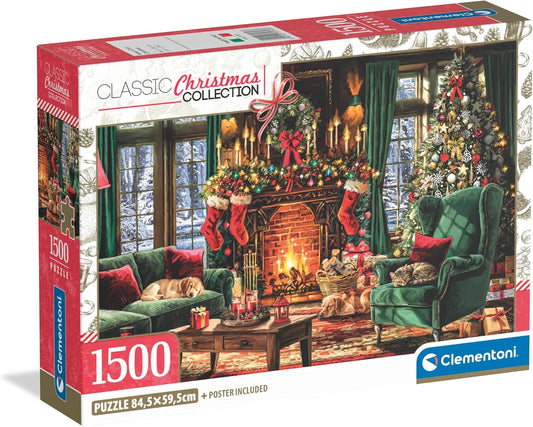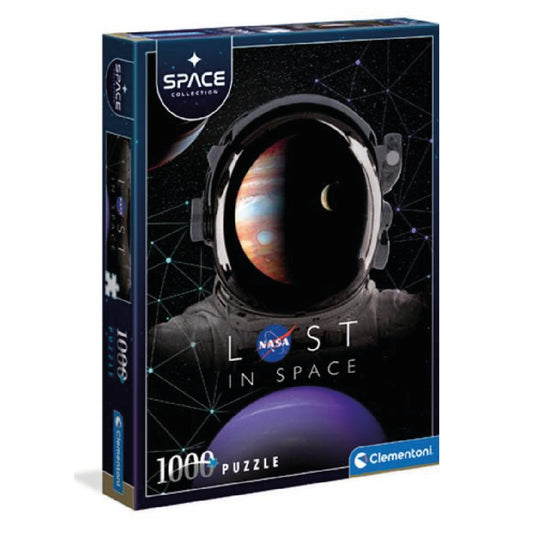
8-bit graphics, cassettes and neon lights cutting through the dim glow of the arcades. That imagery still brings a smile, and a 1000 pieces puzzle inspired by the 80s has the knack of bringing it to the living room table with a calm intensity. Clementoni, with its manufacturing precision and visual curation, turns that memory into hours of good concentration, shared or savored solo.
It is more than putting pieces together. It is a way of bringing stories to life.
The charm of a puzzle that tells stories
When we open the box, there is a moment of curious silence. The rustle of the bag, the slightly sweet smell of the cardboard, the first look at the reference poster. The edges begin to take shape and the image pulses underneath, still intermittent, like a radio signal coming into focus.
Image curation is crucial in an 80s-themed puzzle. Icons we recognize at a glance bring the goal closer and fine-tune the assembly pace. Amid saturated colors, bold typography and objects we all had at home, each completed section rewards you with a small burst of satisfaction.
Clementoni cultivates this experience with sharp printing, clean cuts and a consistent fit. The pieces feel firm, sturdy enough to be moved around the board without losing their shape.
The 80s on the living room table
The decade comes alive in exuberant collages: cassettes, VHS tapes, 8-bit controllers, roller skates, Walkmans, boomboxes, fluorescent tapes, Memphis patterns, movie posters, video game covers, arcades with CRT monitors. The familiarity of these elements eases the usual anxiety over tiny details and puts the focus on the pleasure of rebuilding a cultural mosaic.
There is a game of clues that makes progress easier. Neon purple and blue tones help separate areas, the geometric lines of the patterns provide angles and directions, and the typographic elements create islands that are easy to spot. In between, small texture challenges keep the mind engaged.
The final image usually has energy. Even standing still, it seems to have a soundtrack. No wonder many people choose to frame it.
Quality, materials and visual comfort
More than the image, what counts is how you get there. Pieces with balanced thickness and a precision cut prevent false fits and reduce frustration. The anti-glare finish provides comfort in evening sessions under artificial light, and the color accuracy holds the transitions between blocks of intense color.
Sustainability has also made its way into the best production lines. Cardboard from controlled sources and low environmental impact inks are now standard practice among top manufacturers, Clementoni included, which adds an ethical layer to the purchase.
A puzzle with these features invites long sessions. And that is good news for anyone who wants to switch off from screens without giving up mental stimulation.
What to expect from a Clementoni 1000 pieces puzzle with an 80s theme
For many, 1000 pieces is the sweet spot between challenge and flow. You can complete it in two or three intense evenings, or stretch it over a week, fitting it into the time you have.
Here is an overview of typical specifications you will find in this format:
| Feature | Detail |
|---|---|
| Assembled size | Approximately 69 x 50 cm |
| Piece thickness | Medium, with comfortable rigidity |
| Finish | Low-gloss surface |
| Cut | Precise with a firm fit |
| Materials | High-density cardboard |
| Perceived difficulty | Medium, with peaks in areas of solid color |
| Recommended age | Adults and young people ages 12 and up |
| Typical assembly time | 6 to 12 hours, depending on your pace |
These measurements and impressions vary slightly from collection to collection, but the standard remains the same.
An assembly that challenges and relaxes
Putting pieces together is an exercise in focus. Attention narrows, mental noise fades and the body falls into a steady rhythm. The brain recognizes patterns, matches colors and edges, and makes micro hypotheses with every attempt to fit a piece. It is cognitive work, yes, but with the pleasure of seeing tangible progress.
With an 80s theme, the pleasure multiplies. Visual memory helps you anticipate what is missing, and every object that appears in full brings back a memory. Suddenly, you find yourself telling stories between stages of the assembly.
Those who build together also reap social benefits. Shared silence, punctuated by small celebrations, creates a simple and effective team dynamic.
After a few minutes putting the idea in context, here are some practical arguments to help with the buying decision:
- Theme: powerful nostalgia, vivid colors, instantly recognizable icons
- Pace: a mix of easy zones and challenging blocks
- Versatility: great for solo evenings or family sessions
- Final result: a display-worthy image that deserves a frame
- Quality: reliable cut and clean printing
From the first corner to the last pieces
Your strategy determines how comfortable the assembly feels. Starting with the edges is still an effective classic, but in a puzzle with a vibrant aesthetic there are smart shortcuts. Grouping by color and pattern, setting aside a tray for typographic elements and building small recognizable areas all speed things up and bring peace of mind.
Create an environment that protects your focus. A stable table, soft side lighting, a playlist with sounds from the decade. Try to keep the space tidy, with pieces face up and no excess of competing objects.
When the puzzle starts to take shape, motivation rises. This is the right time to adjust your pace and avoid rushing through the more uniform areas.
With this in mind, here are some actionable tips worth noting:
- Edges first
- Group by dominant colors
- Identify geometric patterns
- Set aside pieces with text
- Work through small areas
- Short breaks to refresh your eyes
- Diffused light, no glare
- One tray per group of pieces
Time, space and rituals
Logistics matter. If you do not have a dedicated table, a felt puzzle mat lets you roll it up and pick up where you left off without losing progress. It is a simple solution for homes with limited space.
The ideal amount of time varies with your mood and schedule. Some prefer short sessions of 30 to 45 minutes as a break between tasks. Others save Saturday afternoon for a longer deep dive. Both approaches work, as long as enjoyment stays at the center.
A light ritual adds flavor. Tea or coffee nearby, phone far away, maybe a pair of headphones. If the image is an 80s pop mosaic, put on a playlist of synths, pop and new wave at a moderate volume. The puzzle responds better when the atmosphere feels consistent.
A gift of memory and design
A Clementoni 1000 pieces puzzle with an 80s theme works as a gift for many ages. It is straightforward and personal at the same time, because it sparks memories. It suits birthdays, holidays and discreet thank-yous at work.
Whoever receives it recognizes the theme right away. The smile that appears when the box lid reveals the icons of the decade sets the tone for what comes next.
For companies, it is also a nice treat for wellness initiatives. It encourages an intentional pause, training attention without requiring a screen.
From the mat to the wall
Many people decide to keep the image assembled. That makes sense with themes that have strong graphics and a rich color presence. For this, puzzle glue is your ally. Apply it with a soft brush, cover the entire surface and wait for it to dry completely before moving on to the frame.
The most common sizes for 1000 pieces call for standard frames, in formats close to 70 x 50 cm. It is best to check the exact dimensions on the back of the box and choose a frame with a neutral mat. White or light gray helps the image breathe.
If you prefer not to glue it, there are sandwich-style frames that hold the puzzle between acrylic sheets. It is a reversible solution, ideal for those who like to rotate images throughout the year.
When hanging it, look for indirect light. Overly intense glare can soften the contrasts that bring the theme to life.
Small obstacles, big wins
Not everything always goes smoothly, and that is part of the fun. Areas of solid color demand patience, and false positives test your attention. A step back, a short break, a reorganization of the trays, and things get back on track with more clarity.
There is also that moment of doubt when only a few pieces are left, all of them similar. Breathe, check the inner edges, line up the tabs. The right click suddenly comes and closes the loop with a satisfaction that is hard to match in other activities at home.
It is in this back and forth between friction and achievement that the puzzle shows its value as a mental and emotional exercise.
Culture that lasts
When you finish, you are left with more than the completed image. There are memories of conversations, the discovery that someone in the family had kept movie tickets from the era, the sharing of stories about consoles and tapes recorded off the radio.
The puzzle works as a trigger for material culture. It brings generations closer, puts names to objects and sounds that set the rhythm of an era, and gives the home a piece you can touch, take apart and rebuild in another season.
If you like to extend the experience, you can photograph the stages, put together a timelapse or create a small visual diary. The record adds another layer of appreciation and invites you to revisit the most interesting moments of the assembly.
Where to look and what to compare
The range is wide, and that is a good thing. There are collections with intense collages, others with a single featured object, and licensed versions where the official iconography appears faithfully. Compare based on what you value most: color intensity, density of detail, presence of text in the image.
It is also worth considering the texture of the cardboard and the finish. If you mostly puzzle at night, a more matte finish helps. If you prefer a shinier look on the wall, look for options with a subtle varnish.
Finally, check whether the edition comes with a poster in a useful size. It works as a map and cuts down on the back and forth between box and table.
A piece for all time
A Clementoni 1000 pieces puzzle with 80s nostalgia puts design, memory and a finely tuned mental exercise in the same box. It invites simple gestures, repeated with concentration, that together form something bigger and beautiful.
And when the last pieces click into place, the feeling is clear. The decade has taken shape again, right there, between your fingers.