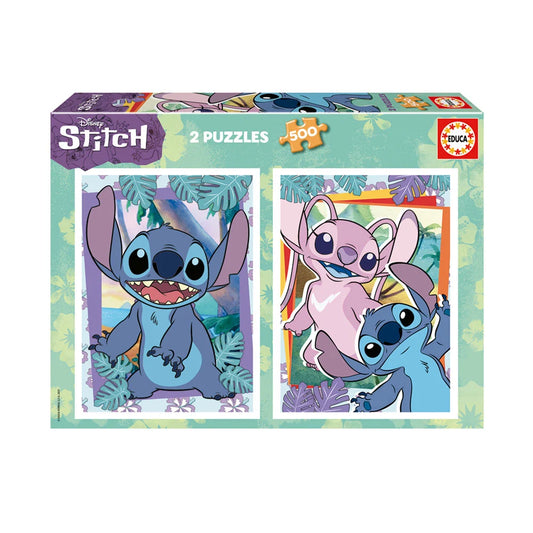
Some toys bring families together, calm down late afternoons and stimulate the brain at the same time. Puzzles are at the top of that list. When you combine the skill of an experienced brand with a character who has won over kids and grown-ups alike, things get even better. That is exactly what happens with the Clementoni set of 3 Stitch puzzles with 48 pieces each, starring Disney's cheeky little alien.
A format that balances challenge and accessibility. Three pictures, each with 48 pieces, that take up little space on the table and offer variety without becoming tiring. And lots of color.
What's inside the box
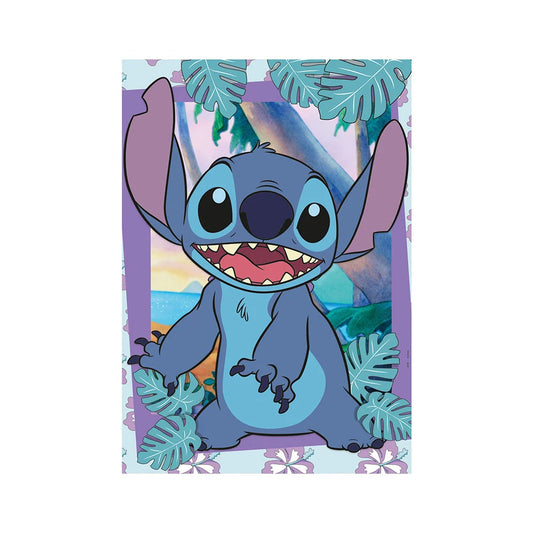
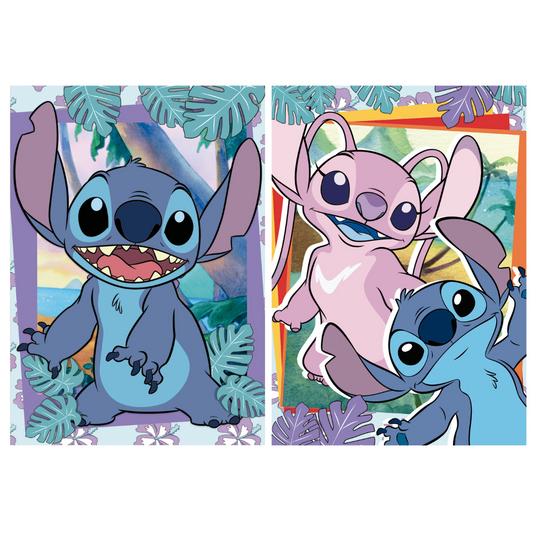
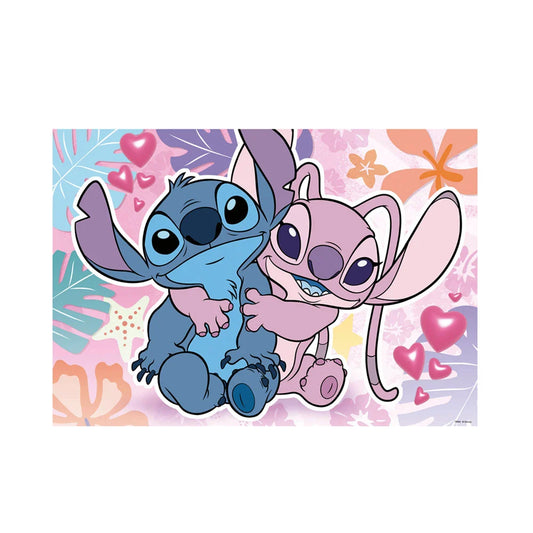
This set includes three individual puzzles, each with a different illustration of Stitch in scenes full of energy. The images tend to have vivid color palettes and well-defined outlines, which helps children identify areas and reduces frustration during the first builds.
The pieces are made of thick cardboard, with a clean cut and a firm fit. They don't shift when the surface vibrates and don't bend under an enthusiastic touch. The finish is slightly satin, a balance that avoids strong glare under artificial light while keeping the colors intense.
The three puzzles are independent, which has two clear advantages: it lets you vary the difficulty depending on the illustration, and it keeps interest alive over time. When one picture becomes too easy, another takes center stage.
Size and storing the pieces
Each 48-piece puzzle tends to have compact dimensions, suitable for small tables or study desks. It usually comes with simple bags or dividers, although many parents choose to use zip-lock bags to keep each set organized. A small investment that saves time at the end of the day.
Here is a handy summary for quick reference.
| Feature | Detail |
|---|---|
| Number of puzzles | 3 |
| Pieces per puzzle | 48 |
| Size per puzzle | compact, typical of the 48-piece format |
| Theme | Disney's Stitch, colorful scenes |
| Material | thick cardboard, precise cut |
| Recommended age | from 4 to 5 years, depending on the child |
| Average time per puzzle | 10 to 25 minutes, depending on experience |
The box is relatively light, ideal for taking to the grandparents' house or for a rainy afternoon. And it holds up well to trips back and forth in a backpack.
Age, skills and fun
The 48-piece format fits the stage when a child has already mastered 24-piece puzzles and starts asking for something more demanding, without abrupt jumps. Parents who want to offer a progressive challenge will find an ally here. And anyone keeping up with siblings at different levels can take turns and swap puzzles without losing track.
Beyond entertainment, there is a solid educational foundation. Doing puzzles builds concentration, patience and some spatial skills that are essential for reading and writing.
- Visual attention: identifying details, patterns and outlines.
- Hand-eye coordination: precision when fitting pieces, control of force and orientation.
- Spatial perception: mentally rotating pieces and understanding how the parts make up the whole.
- Language: describing colors, shapes and scenes, building sentences.
- Emotional management: tolerating frustration, celebrating small progress.
It is also a great excuse to talk about the world of Lilo & Stitch. Who Lilo is, what emotions Stitch shows in the picture, what choices you would make in each situation. Conversations that come about effortlessly.
Clementoni quality and care for the environment
Clementoni has built a reputation on precise cutting and true-to-life colors. With this set, the fit feels secure to the touch. The pieces snap into place with a discreet click, with no visible gaps, which reduces mistakes during assembly and helps keep the puzzle stable when the child runs a hand over it.
As for materials, the brand has invested in good-density cardboard and safe inks. The result is a piece that doesn't easily bend at the corners, doesn't chip with normal use and keeps its bright colors after several builds. Kids with curious hands will appreciate it.
Many of the brand's ranges already include recycled components and more responsible processes. Even when the box doesn't highlight it, the company's general policy has been moving in that direction, something parents value in a toy that comes into the home often.
Organization and assembly strategies
A good method turns 48 pieces into an enjoyable task. And it teaches routine without losing the charm of improvisation.
Practical tip: start by turning the pieces face up, find the corners and edges, build the frame and then work by color areas. The child learns a repeatable process and feels progress from the very start.
- A clear, stable space
- Pieces face up and visible
- Edges first
- Group by color and pattern
- Short breaks when needed
Younger children benefit from small hints. Adults can point to details in the picture printed on the box, highlight the direction of a pattern or remind them that, on a striped T-shirt, the lines continue onto the next piece. Small touches that guide without solving.
Time, pace and small goals
Breaking the puzzle down into concrete goals helps with motivation: build the frame, finish a character, complete the background. A 5-minute sand timer adds a playful element to the task and teaches a sense of time.
When fatigue sets in, it's worth switching to one of the other two puzzles. A change of picture refreshes attention.
How to choose between 3x48, 2x60 and 100 pieces
The choice doesn't depend on age alone. Patience, practice and the way the child handles frustration also count. Some 5-year-olds master 60 pieces calmly, while some 7-year-olds prefer 48 pieces with a focus on speed. That's perfectly fine.
The 3x48 set offers variety with controlled difficulty. The 2x60 sets raise the challenge slightly and extend assembly time. The 100-piece puzzles open the door to longer sessions at the table and greater demands when rotating pieces.
| Format | Pieces per puzzle | Number of pictures | Challenge level | Suggested age | Average time per build |
|---|---|---|---|---|---|
| 3x48 | 48 | 3 | low to medium | 4 to 7 years | 10 to 25 minutes |
| 2x60 | 60 | 2 | medium | 5 to 8 years | 15 to 35 minutes |
| 1x100 | 100 | 1 | medium to high | 6 to 9 years | 25 to 50 minutes |
One important point: themes with many repeated elements, such as skies or single-color backgrounds, can increase the difficulty even with fewer pieces. Look at the picture with that in mind.
Care and durability
Storing each puzzle in a separate bag prevents mix-ups and losses. A labeled bag for each picture solves the problem in seconds. In homes with pets, plastic boxes with lids protect the pieces from moisture and feline curiosity.
If a piece gets bent, don't panic. Wipe it lightly with a dry cloth, straighten it with your fingers and, if necessary, place it under a heavy book for a few hours. It almost always works.
Recommended routine: rotate the three puzzles throughout the week, choosing according to the child's mood and energy. Repetition doesn't take away the magic; instead, it reinforces strategies.
Play ideas beyond the basics
Glue a sheet of colored paper onto a base and build the puzzle on top of it to create contrast. The different background helps visually separate the edge pieces. And it looks great in photos.
Turn the build into a small event: music, a tidy table, a bottle of water nearby and an adult close by to comment without taking over. The experience matters more than the stopwatch.
- Race against the clock: set a gentle goal, such as finishing the frame before the song ends.
- Color hunt: pick one color at a time and look only for those pieces for one minute.
- Stories at the end: make up a mini story based on the scene of the finished puzzle.
- New words: deliberately add vocabulary, such as gradient, outline, pattern.
- Photo and display: take a picture of the result and create a digital album of completed puzzles.
For families who love crafts, it's worth applying paper tape to the back, gluing the puzzle and framing it in a lightweight photo frame. Stitch has enough charisma to decorate a child's bedroom.
Tips for an informed purchase
Check that the box is intact and choose stores that clearly state the 3x48 contents. Price and stock vary throughout the year, with peaks around the holidays. A quick search avoids surprises.
Look for safety marks and information. A reference to European compliance is common for products in this range. If you buy online, check for real photos of the box and, if possible, read reviews about the cut of the pieces and the accuracy of the colors.
If you're giving it as a gift, simple wrapping with a small Stitch sticker makes an impact. Adding a zip-lock bag inside the gift shows attention to detail.
Frequently asked questions
Can I mix the pieces from the three puzzles? You can, but you shouldn't. The fun turns into a sorting job. Keep each set in its own bag and the assembly flows.
Is it suitable for 4-year-olds? Many can manage it with help organizing the pieces and shorter sessions. Watch for signs of tiredness and adjust the pace. If frustration grows, go back to a 24-piece puzzle for a few days and then try again.
How much space do I need? An average coffee table is enough. The 48-piece format is friendly to small homes and can be built on the rug with a rigid board underneath.
How long does the interest last? The variety of three pictures helps. In general, children repeat the same puzzle several times until they master the patterns and times. Then they move on to the next one without resistance.
What if a piece gets lost? Use it as an opportunity to practice flexibility. Build the puzzle anyway, talk about imperfections and, at the end, search calmly. Many pieces reappear under the sofa.
Small educational touches while building
Ask open-ended questions. Where do you think this piece fits, and why? What clues help you decide between two options? Verbal reasoning strengthens visual attention.
Introduce vocabulary gradually. Words like outline, joint, contrast and texture expand their vocabulary without formality. It's practical language applied to a concrete activity.
Explore numbers. Count how many pieces are left to close the frame, compare quantities between color areas, estimate how much time is left until the end. Math in a real context.
Why the Stitch theme works so well
Stitch is expressive and colorful, and he fills scenes with clear contrast between character and background. This makes it easier for children who are still consolidating their assembly strategies to break the picture down visually. And it keeps the mood light.
There is also an emotional bond. Anyone who has seen the film associates friendship, belonging and humor with these pictures. Conversations come up naturally as the pieces fit together. No lectures needed.
When to move on to the next challenge
Clear signs that it's time to level up: very short build times on all the pictures, no mistakes when choosing pieces and an explicit request for longer puzzles. The jump to 60 pieces is usually smooth. After that, 100 pieces opens up new dynamics.
Some families prefer to alternate between 48 and 60 pieces for a few weeks. This variation stabilizes progress and prevents monotony.
A simple invitation
Set aside 20 minutes, clear the table, open the box and turn the pieces face up. Say something nice about Stitch, smile and start with the frame. The rest happens quickly. With conversation, with laughter, with that great feeling of a mission accomplished.