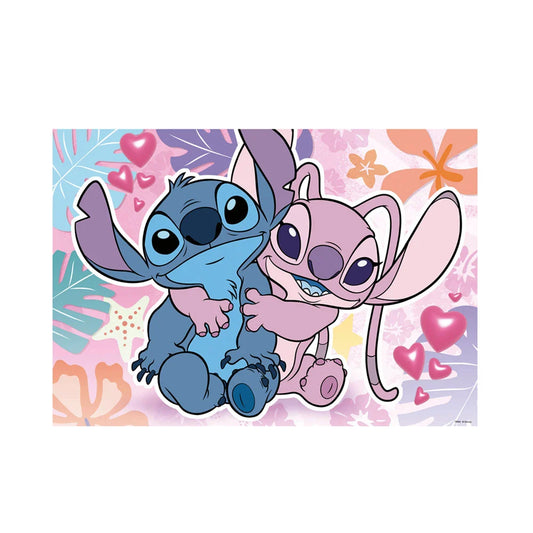
Some duos are made to last. A Hawaiian girl who doesn't fit the mold and an alien experiment with a bad temper and a heart that learns fast created a story that spans generations. What began as an animated adventure became a cultural phenomenon, packed with delightful trivia, unusual artistic choices and an impact that can still be felt today.
An unlikely duo that won over the planet
Lilo and Stitch came to life in 2002, when Disney took a chance on a project that broke from its usual formula. Instead of princesses, faraway kingdoms and classic villains, there was a fractured family, real social problems and a blue hero with a taste for chaos.
This combination worked for one reason: it's human. Lilo tries to find her place on an island where beauty and harmony seem to be the rule, while Stitch fights his own destructive nature. When the two meet, the result is a story about belonging, affection and shared responsibility. And that simple idea still resonates.
From idea to screen: behind-the-scenes stories that matter
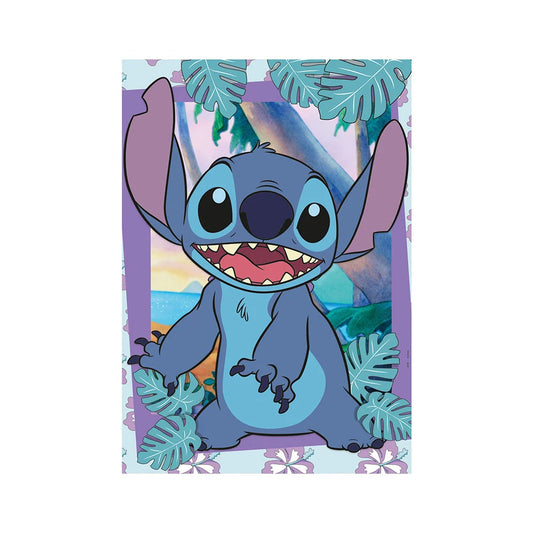
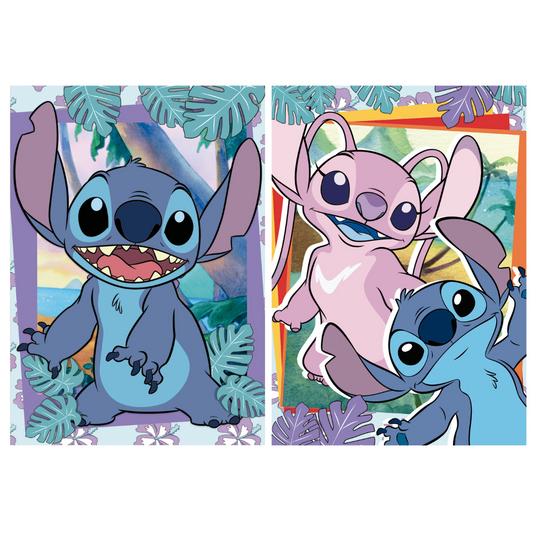
Stitch's design was born from sketches by Chris Sanders, who would go on to voice the character himself in the original version. The creative team kept the figure compact, with big eyes and generous ears, a design meant to swing between adorable and menacing. And it works, how it works.
There were, however, significant changes along the way. The creators initially considered a different setting for the story. Choosing Kauaʻi brought more than landscapes: it brought culture, music, everyday rhythms and a joy that's hard to replicate anywhere else.
One technical detail makes this film special in Disney's filmography. The backgrounds use watercolor, a technique the studio had rarely used since the 1940s. The tropical vibe and warm tones benefited from this decision, giving the island a lively, almost tactile feel.
Hawaii as a character
It's not just a backdrop. Hawaii breathes throughout the film. From hula taught with respect to the way the community organizes itself around children, you can feel an unusual care for authentic details. The goal was to create an affectionate portrait, without simplistic caricatures.
The word ʻohana went global. More than a motto, it sums up the spirit that unites Lilo and Stitch: family means nobody gets left behind. You see it in small gestures, in routines, in the looks between Nani and Lilo, and in that feeling that a home can be rebuilt, even after an earthquake.
Traditional music also appears in an organic way. “He Mele No Lilo” opens the film with a choral power that instantly transports you to the island, and “Hawaiian Roller Coaster Ride” combines surfing, friendship and rhythm with a charming lightness.
Inside Stitch: what makes him unique
Stitch is Experiment 626, created by Jumba Jookiba to be almost unstoppable. Among his most notable traits:
- Extraordinary strength and endurance
- The ability to climb walls and squeeze into unlikely spaces
- Quick, adaptive intelligence
- Retractable ears and antennae, which subtly change his silhouette
The most important detail, however, can't be measured. What makes him unforgettable is his ability to learn empathy. The monster stops being a monster when he finds someone who sees him as somebody. And that changes everything.
Names, symbols and little clues
The names in this story matter. Lilo has linguistic roots that point to ideas of generosity, belonging and change. Nani means beautiful, David is loyalty personified, and Jumba and Pleakley balance science and sensitivity, each with their own comic excesses.
There are codes hiding in plain sight. The number 626 has become an icon that appears on merchandise, in theme parks and even in other Disney works. It's a discreet signature that fans love to spot.
It's worth paying attention to the Hawaiian language and the diacritical marks that appear in the credits and in behind-the-scenes material. This care also conveys respect.
Music that sticks in your head
The soundtrack mixes original compositions with songs by Elvis Presley. Lilo idolizes Elvis to the point of presenting him to Stitch as a role model. The result is hilarious, with lessons on posture, hairstyles and an improvised microphone. At the same time, it works as a bridge between cultures, generations and references.
- Elvis classics gave new life to comedy scenes and tender moments
- The original songs anchor us in Hawaii, with local voices and arrangements
- The soundtrack expands the story without stealing the spotlight from the characters
It's no coincidence that so many kids discovered Elvis through this film. It's a happy marriage.
Marketing that shone
The campaign leading up to the release was a small revolution. Instead of conventional trailers, Stitch appeared “ruining” iconic scenes from Disney classics, from Aladdin to Beauty and the Beast. The message was crystal clear: here comes a character who doesn't follow the rules. It grabbed the attention of children and adults alike.
This cheeky tone paved the way for a hero who causes chaos before learning to channel it. A simple idea, executed with humor.
Behind-the-scenes trivia worth its weight in gold
- The final chase had to be changed during production. The original version involved a real airplane flying over a city. The team replaced it with spaceships and rocky valleys, keeping the adrenaline without echoing sensitive images.
- The film was nominated for the Oscar for Best Animated Feature.
- The watercolor backgrounds created a visual identity that contrasts with the trend toward harder lines in the early 2000s.
- Stitch's voice actor in the original version is the film's director and co-writer himself, Chris Sanders.
- Lilo and Nani's family structure, marked by financial hardship and visits from social workers, brought a realism that's rare in animated films for the whole family.
- There are discreet “Hidden Mickeys” scattered throughout some shots. A guaranteed detail hunt.
Series, sequels and new lives
The success didn't stop with the 2002 film. Several productions followed that expand the universe:
- Stitch! The Movie (2003), which paves the way for the series
- Lilo & Stitch: The Series (2003-2006), an episodic format with new experiments
- Lilo & Stitch 2: Stitch Has a Glitch (2005), an emotional look at his instability
- Leroy & Stitch (2006), an epic reunion of experiments
- Stitch! (2008-2011), a Japanese production with new dynamics and characters
- Stitch & Ai (2017), a series produced in China, offering another cultural perspective
This multiplication of stories showed that the core idea can handle variations. The emotional bond remains.
The 6XX experiments: Jumba's catalog
Throughout the series, dozens of experiments parade by, each with a quirk that causes trouble and needs the right destination. The format has two virtues: it introduces memorable creatures and reinforces the idea that every individual finds their place.
Some highlights fans recognize instantly:
- 625, known as Reuben, lazy and a master sandwich maker
- 627, powerful and mischievous, with a sharp sense of humor
- 629, Leroy, star of the showdown that closes the experiments arc
The fascination lies in the ritual. Each episode points out a flaw that turns out to be a talent out of context. When the right context appears, the creature fits in.
Characters who give the story its soul
Nani is the pillar that holds the home together. The tension between being a sister and a stand-in mother demands tough decisions. David, always loyal, is a constant, calm and friendly presence. Cobra Bubbles, on the other hand, appears as a threat before revealing an unexpected past and a code of ethics all his own.
Jumba and Pleakley form the comic duo that both softens and challenges Stitch. The first with his clumsy science, the second with a tender, if not always well-informed, view of Earth. The result is scenes that walk the line between satire and affection.
Voices and defining traits
| Character | Original voice | Core trait |
|---|---|---|
| Stitch (Experiment 626) | Chris Sanders | Destructive instinct learning affection |
| Lilo Pelekai | Daveigh Chase | Untamed imagination and loyalty |
| Nani Pelekai | Tia Carrere | Responsibility with human warmth |
| David Kawena | Jason Scott Lee | Boundless friendship and patience |
| Jumba Jookiba | David Ogden Stiers | Chaotic genius |
| Pleakley | Kevin McDonald | Curiosity and sensitivity |
| Cobra Bubbles | Ving Rhames | Authority with a surprising past |
This cast gave voice to nuances that come through even when dubbed into other languages. The intentions and rhythms are there, solid.
An impact that goes beyond the screen
The reception of the film and the series made waves in several areas. In tourism, interest in Kauaʻi got a boost, although the island was already famous for its valleys and beaches. In licensed products, Stitch became a favorite, especially in Japan, where his irreverence and sweetness won over huge audiences.
In theme parks, the character's presence led to fan meet-and-greets, shows and, for years, a dedicated attraction at Magic Kingdom. It's proof of the power of an iconic design combined with a heartfelt story.
On a cultural level, the idea of a chosen family gained a global showcase. Lilo and Nani represent an unconventional home, with dignity and affection, far from stereotypes.
Small details that change everything
- Lilo's ritual of making peanut butter sandwiches for Pudge the fish is a perfect example of how the film balances humor and pain. It's funny and, at the same time, it speaks of loss and control.
- Lilo's camera gives her a voice. Her framing shows the island as less of a postcard and more authentic, with sleepy tourists and ordinary moments that, in the end, tell stories.
- The Pelekai house feels lived in: worn walls, real objects, a kitchen that looks used. The animation serves believability.
- The way Stitch learns caring gestures is gradual. He watches, copies, gets it wrong, tries again. It's educational without moralizing.
The power of visual details
The choice of watercolor makes the shadows softer, the transitions warmer and the surfaces more organic. In beach and forest sequences, the light gains a texture that brings out the movement of the water and the leaves. Traditional animation works alongside occasional effects that heighten the spectacle without overpowering it.
Rounded shapes dominate. This brings the characters closer to the audience, even when the plot intensifies. The design supports empathy, and empathy sustains the story.
What to look for on every rewatch
Rewatching the film and the series reveals new clues every time. A few ideas for those who like to watch closely:
- Notice the choreography of objects in the home scenes. Pots, towels and toys reveal emotional states.
- Notice how the music comes in and out to guide the breathing of the scenes.
- Follow the relationship between Nani and David. Small silences say a lot.
- Spot the color patterns that follow Stitch's mood throughout the sequences.
If you want to watch everything in order, a simple route is: the 2002 film, Stitch! The Movie, the animated series, Lilo & Stitch 2, Leroy & Stitch. Then, if you enjoy cultural variations, it's worth checking out Stitch! and Stitch & Ai.
Questions fans love to debate
- Which scene is the one where Stitch truly becomes part of the family?
- What is most moving about Nani: her strength or her vulnerability?
- How far does Jumba's responsibility for his creations go?
- Is Elvis's presence mere decoration or part of the story's backbone?
- Which 6XX experiment has the most untapped potential?
These conversations show how the work has gained layers beyond the instant laugh.
Quick trivia to share
- The number 626 can be spotted on objects, screens and signs in several episodes, a recurring inside joke.
- Part of Pleakley's humor comes from the clash between “academic” studies about Earth and real life, leading to delightful misunderstandings.
- The beach and surfing work as a place of healing. In several scenes, it's in the water that tensions ease and decisions become clear.
For collectors
Stitch has been adapted to every kind of product, from plush toys to vinyl figures. The appeal is obvious: he fits into many versions, from “fierce” to “super cute”. And he works well in different colors, hats and themed costumes from other brands and characters.
Some of the most sought-after product lines include:
- Limited editions with Stitch dressed up as other iconic characters
- Resin statues with surfing and Elvis scenes
- Pins referencing experiment numbers and Lilo's belongings
The secondary market remains active, with prices varying according to rarity and condition.
Notes on representation
By featuring a family led by an older sister, the film introduced many kids to realities that are less visible in animated cinema. The presence of social services and the tension it causes were handled with tact, without turning anyone into a one-dimensional villain.
The relationship between local culture and a global story was handled with a happy balance. Even with inevitable simplifications, the portrait of Kauaʻi preserves dignity, humor and beauty.
A story that keeps finding new audiences
Years later, new viewers are still arriving in the world of Lilo and Stitch through series, clips, songs and memes. The proof of its vitality is in the way people talk about it: with affection, with humor and with that phrase that fits any home that wants to take care of its own.
There's always one more detail to notice, one more hidden reference, one more laugh on the way. And that keeps the flame alive.