
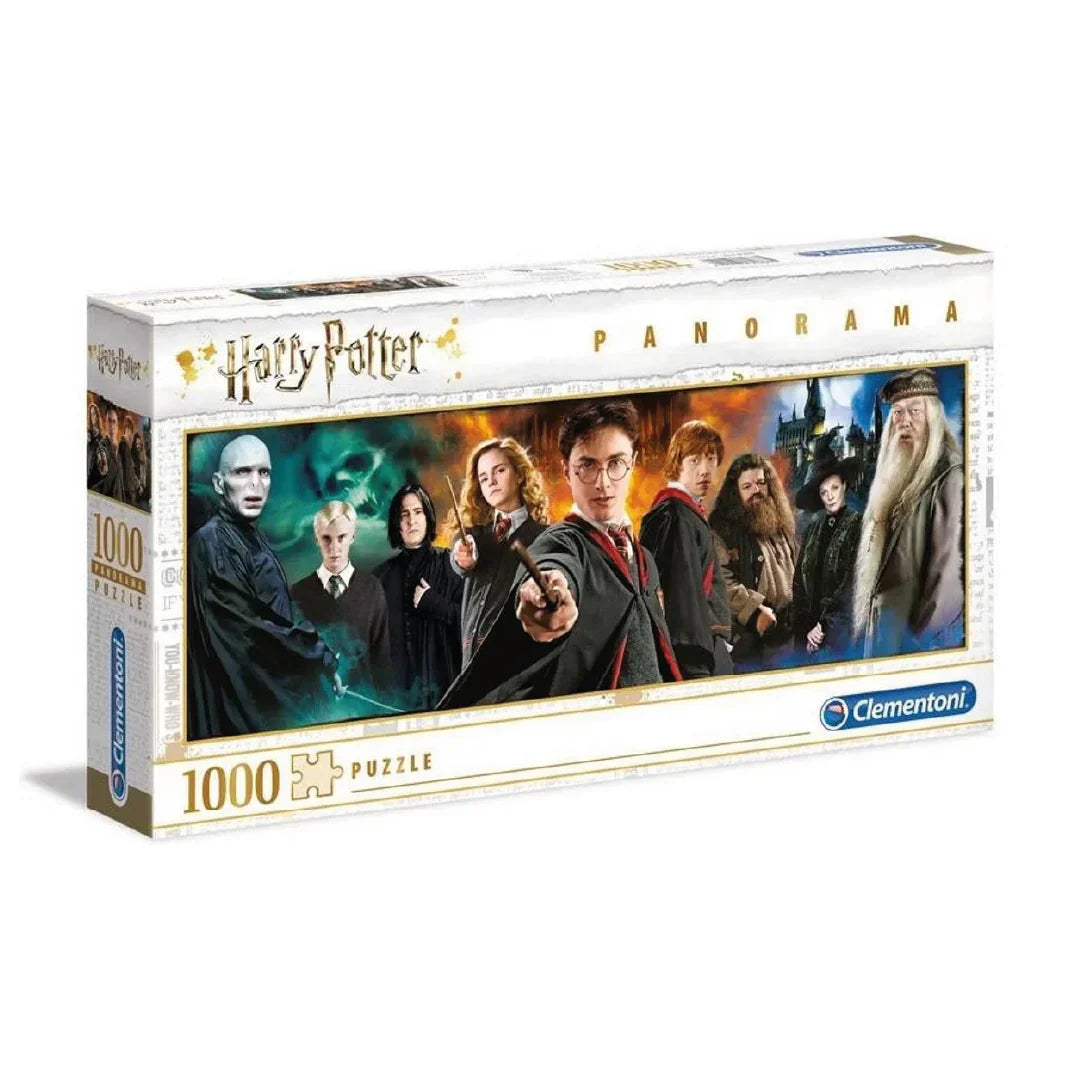
What Are Trending Millennial Puzzles?
First of all, it's important to clarify that these aren't the same puzzles with pastoral landscapes or fruit baskets that decorated the boxes of our childhood. Millennial puzzles are a complete reinvention of this age-old pastime, adapted to the aesthetic sensibilities and psychological needs of a generation shaped by digital overload.
Distinctive Features
What truly defines a “millennial” puzzle and sets it apart from a traditional one?
- Disruptive design: goodbye pictures of Swiss chalets, hello minimalist illustrations, street art, abstract designs, 90s pop culture references or memes turned into works of art. Millennial puzzles are design objects that deserve to be framed once they're finished.
- Instagram appeal: these pieces are designed with social media in mind. From the premium packaging (often reusable tins or boxes) to the final result, everything is made to look visually appealing in photos.
- Built-in storytelling: many include narratives or concepts behind the image, turning the experience into something deeper than just putting pieces together.
- An extra purpose: sustainability, social causes, support for independent artists. Millennial puzzles often combine entertainment with the subtle activism this generation values so much.
As Chandler Bing from “Friends” would say: “Could this hobby BE any more hipster?” But the truth is that the transformation has been so profound that its origins are barely recognizable.
Milestones in Its Evolution
The puzzle revolution among millennials started timidly around 2018, sped up dramatically during the 2020 pandemic lockdown, and has kept reinventing itself ever since:
- 2018-2019: The first puzzles with contemporary design start to appear, still as niche curiosities
- 2020: Lockdown creates the perfect storm: bored millennials stuck at home rediscover puzzles as an escape from doomscrolling
- 2021-2022: The first brands dedicated exclusively to puzzles with contemporary design emerge
- 2023-2024: The phenomenon moves beyond “passing trend” status and becomes part of millennial culture
- 2025: Puzzles influence other areas, from home decor to fashion, and become status symbols among 25 to 40-year-olds
What Are the Benefits of Puzzles and How Does This Trend Work?
Is this just another case of commercialized nostalgia, or is there something deeper behind this return to puzzles? Science and sociologists have some interesting answers.
The Antidote to Digital Anxiety
For a generation that grew up during the analog-to-digital transition and now lives permanently connected, puzzles are a safe way to “switch off” without the discomfort of going completely offline. It's what psychologists call “focal distraction”: you keep your brain busy enough not to feel the itch to check your phone, but not so busy that you feel extra stress.
A study by the Faculty of Psychology at the University of Lisbon found that 78% of Portuguese millennials who took up puzzles as a regular hobby report significantly lower levels of general anxiety. It's almost as if every piece that clicks into place were a small act of mindfulness.
Nostalgia Reimagined
Millennials are known for their complex relationship with nostalgia. On the one hand, they are the first generation with digital access to their past through feeds, playlists and streaming catalogs. On the other, they live in a present marked by economic and social uncertainty that makes “the good old days” particularly appealing.
Puzzles offer the perfect bridge: they are inherently nostalgic (they take you back to childhood, to afternoons at your grandparents' house), yet they have been completely reimagined to match contemporary aesthetics. It's the best of both worlds: the comfort of the familiar with the excitement of the new.
A Tangible Experience in a Virtual World
In an increasingly digital economy, where even money has become invisible, puzzles offer a tactile, physical experience that many millennials discovered they had been missing. There's something deeply satisfying about handling physical pieces and watching a project take shape in the real world, as opposed to the never-ending digital projects that define much of their working lives.
“It's as if we had rediscovered the pleasure of making something with our hands,” explains Mariana Santos, 34, founder of a puzzle club in Lisbon. “After spending the day creating digital content that disappears down the feed the next day, there's something incredibly rewarding about finishing a puzzle you can hang on the wall.”
Social but Introverted
Another feature that makes puzzles ideal for millennials is that they are both social and introverted. This generation values social experiences, but many identify as “social introverts”: they prefer quality interactions in controlled settings.
A puzzle evening allows meaningful conversations without the pressure of constant eye contact or nonstop chatter. It's social, but with the option to “pause” and focus on the hands-on activity when needed: the perfect balance.
Common Mistakes and Frequently Asked Questions
“Puzzles are lonely, boring activities”
This is perhaps the biggest misconception about puzzles in the millennial context. The new puzzles are often shared experiences, whether in person at “puzzle parties” or virtually through progress-sharing groups on social media. Far from being boring, it turns into a social event where the shared satisfaction of finishing tricky sections is often celebrated with a toast!
“I don't have room to leave a puzzle half-finished”
A real problem for millennials, who often live in small apartments in big cities. The industry quickly adapted with solutions such as roll-up puzzle mats, dedicated tables with drawers and even vertical magnetic puzzles for those who really have no horizontal space available. You can find several solutions in the accessories section of Loja dos Puzzles.
“Traditional puzzles are too old-fashioned for my taste”
If you still picture puzzles as those Swiss landscapes with little houses and flowers, you urgently need to discover the new collections! From urban illustrations to minimalist abstract patterns, plus references to cult series like “Stranger Things” or “The Office”, there's a puzzle for every personality. At Loja dos Puzzles you'll find this new look in the art puzzles, the Stranger Things puzzles and the 2026 new arrivals from brands like Clementoni, Educa and Trefl.
“They're too expensive for a single use”
It's true that some premium design puzzles can cost more than traditional ones, but millennial puzzle culture has already come up with solutions: from swap clubs (you finish a puzzle and trade it with another member) to the trend of framing them and using them as decor. On top of that, many brands are betting on the “eternal puzzle” concept: designs so good you'll want to build them more than once.
Practical Recommendations
If you're thinking about joining this trend, or you're already a fan looking to take the experience to the next level, here are some recommendations:
The Most Instagrammable Puzzles of 2025
- Art puzzles: Famous artworks and illustrations that, once finished, deserve a frame and pride of place on your wall (and in your feed).
- City and travel puzzles: Skylines, streets and dream destinations to relive your last trip or plan the next one, piece by piece.
- Stranger Things puzzles: For pop culture fans, with all the 80s nostalgia and the characters of Hawkins in every piece.
- Clementoni Impossible puzzles: For anyone looking for a real challenge, with images that test even the most experienced puzzlers.
- New in 2026: The latest releases from Clementoni, Educa, Trefl and other brands, so you can always stay on top of the trends.
You'll find these and many other millennial puzzles at Loja dos Puzzles, from brands like Clementoni, Educa and Trefl.
How to Create Your Instagrammable “Puzzle Corner”
The true millennial puzzle enthusiast knows that the setting is just as important as the puzzle itself:
- Invest in a dedicated table or puzzle mat that complements your decor style
- Set up a “puzzle bar” with your favorite snacks and drinks for long sessions
- Lighting is crucial: a good adjustable lamp makes all the difference to the experience
- Pretty containers to sort your pieces (those ceramic bowls you never use are perfect)
- A good playlist or podcast to keep you company (you'll find more ideas for your sessions on the Loja dos Puzzles blog)
Community and Events
One of the most interesting aspects of this trend is its community side:
- Dedicated Facebook and Instagram groups where Portuguese puzzlers share tips and progress
- Monthly meetups in cafés in Lisbon and Porto (look for “Puzzle & Coffee” on social media)
- Seasonal challenges such as the “Summer Puzzle” or the “Puzzle Advent Calendar” at Christmas
- Workshops on framing and preserving finished puzzles
In Summary:
The journey of puzzles from grandma's table to Instagram stories is more than just an aesthetic trend: it's a genuine response to the needs of a generation looking for balance in a hyperconnected world. Millennial puzzles combine nostalgia, mindfulness, low-pressure socializing and personal expression in an activity that, against all odds, has managed to become cool.
As Marty McFly would say in “Back to the Future”: “I think your kids are gonna love this.” Only in this case, it's the millennials who are rediscovering and reinventing their parents' and grandparents' pastime, creating a whole culture around it.
Are you ready to join this analog revolution? Discover the puzzles for adults at Loja dos Puzzles and find the perfect puzzle for your next Instagram post. Don't forget to use the hashtag #PuzzleMillennialPT to join the growing community of Portuguese puzzle fans!


