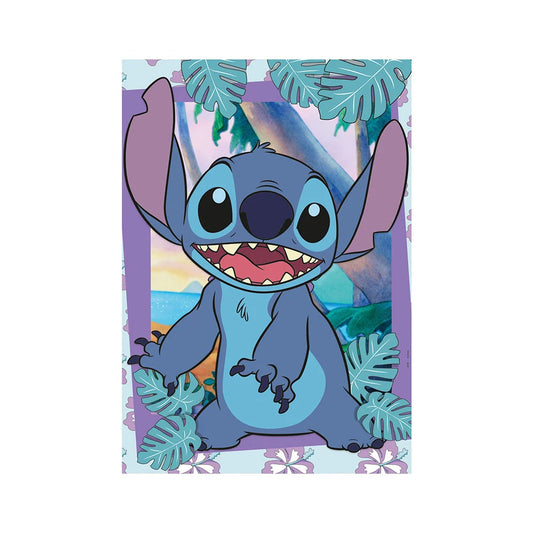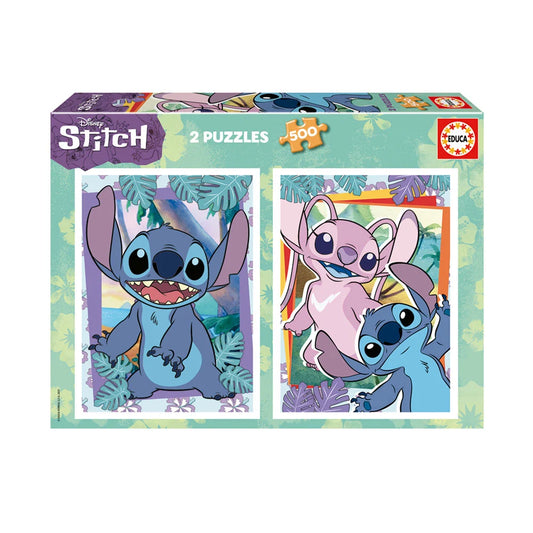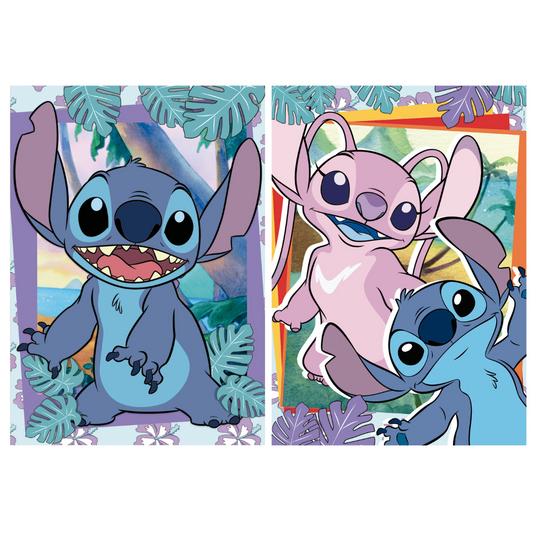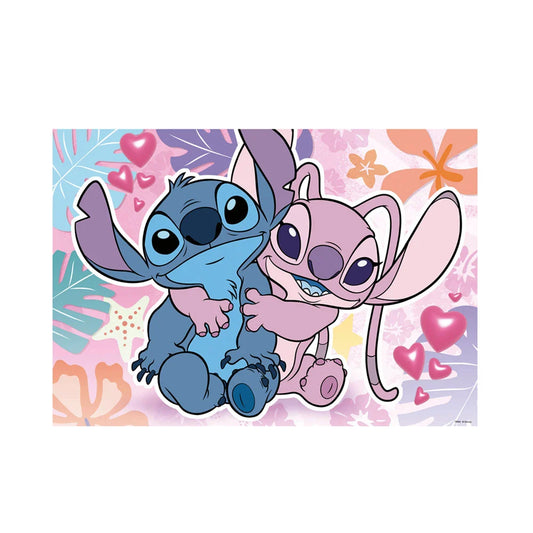

The tradition of puzzles spans generations and still holds its untouchable place among the favorite pastimes in many homes. The image of a table lit up in the late afternoon, where pieces slowly come together to form landscapes, animals, art or iconic monuments, takes us back to the calm and intellectual stimulation that only a good puzzle can offer.
One of the best-known brands in this world is Educa, a byword for quality, creativity and commitment to intellectual and playful development. The appeal of Educa puzzles lies not only in the variety and beauty of the images, but above all in their ability to reach every age and challenge different cognitive skills.
A tool for growth: the puzzle as an ally of development
Behind the fun lies a powerful engine for mental training. Many educators and cognitive professionals regard doing puzzles as one of the most complete workouts for the brain. The most frequently observed benefits include:
- Better concentration and memory
- Development of logical reasoning
- Building patience and perseverance
- Boosting visual and spatial creativity
- Practicing fine motor skills
Puzzles activate several areas of the brain. When looking for the right piece, the brain compares shapes, colors and patterns, uses memory to recall where it saw a certain color and keeps attention at a high level for long periods. This effect applies across all ages, making puzzles one of the favorite tools both in formal educational settings and in brain therapy sessions.
From kids' puzzles to tough challenges: the diversity of Educa
From versions with 2 or 3 pieces for very young children to 40,000-piece models for the most resilient puzzlers, Educa offers a wide range that embraces every kind of audience and motivation. Themes range from children's characters, animals and cartoons to classic works of art, world maps and breathtaking landscapes.
One of the reasons for this lasting popularity is, without a doubt, the careful choice of materials. The cardboard used is thick, sturdy and pleasant to the touch, which gives the experience a tactile dimension and makes handling the pieces truly satisfying.
Some popular examples from the Educa range
| Puzzle | Number of Pieces | Suitable For | Theme |
|---|---|---|---|
| Disney Princesses | 100 | Children | Animated characters |
| World Map | 1500 | Families/adults | Geography and global culture |
| Reading Time | 5000 | Adults | Art/illustration |
| Wildlife | 2000 | Teens/adults | Nature photography |
| The Garden of Earthly Delights | 9000 | Experts | Artistic masterpiece |
Nothing stops adults from having fun with kids' puzzles, or teenagers from venturing into bigger challenges. Versatility is a constant across Educa's catalogs.
A multisensory experience: much more than putting pieces together
What sets an Educa puzzle apart lies in the small details. The precise fit of the pieces, the distinctive smell of new cardboard, the satisfying sound as each section clicks into place, the sharp printing of the images: it all adds up to an almost meditative experience.
Studies suggest that doing a puzzle activates neural networks similar to those engaged during mindfulness activities. You focus on the present, anxiety goes down and, for a while, you forget what feels urgent. Families say that puzzles have brought new life to cold evenings and rainy Sundays, becoming a tool for togetherness, sharing and even cooperation between generations.
Educa puzzles at school
Today, many schools bring puzzles into the classroom from the earliest ages. Teachers see them as:
- A tool for group work, where each student can contribute their own individual strengths.
- An opportunity to develop social skills: sharing, communication and team spirit.
- A playful way to work on content such as letters, numbers, mathematical logic or foreign languages.
It is common to find themed sets, such as word puzzles, political maps, organs of the human body or historical scenes recreated in pieces of different shapes.
Reinventing the puzzle in the 21st century
Despite centuries of success, the world of puzzles has not stood still. There has been a clear push for innovation. New types of magnetic, 3D and digital puzzles have won space on toy store shelves.
While respecting tradition, Educa does not hesitate to release special editions, challenges with completely irregular piece cuts, posters to hang up after assembly or replacement systems for missing pieces (every enthusiast's nightmare).
This trend is also visible in online communities, where people share their creations on Instagram or organize speed puzzling competitions, pushing the limits of time and manual dexterity.
Tips for doing puzzles without giving up
Not everyone approaches this challenge the same way. Beginners may feel lost in front of a box with hundreds or thousands of pieces. Here are some practical tips:
- Sort first: Separate the pieces by color, edges, corners or small details that stand out.
- Start with the edges: Building the border is easier and gives you a solid base.
- Work in sections: Focus on distinct areas of the puzzle, grouping by pattern or visual detail.
- Don't rush: Breaks are essential. Sometimes tired eyes see less than a fresh pair of eyes after a pause.
- Enjoy the process: Putting it together is just as interesting and fun as the finished result.
It is essential not to see puzzles as a test of patience, but as an opportunity to relax, reflect and perhaps rediscover the joy of reaching small goals.
The impact on emotional well-being
People of all ages benefit from this kind of activity as an outlet for stress. Repeated gestures, sustained attention and the sense of achievement from seeing small progress help create a feeling of control and success. This is felt especially during times of transition, periods of anxiety or simply when looking for a screen-free hobby.
Because it stimulates both sides of the brain and has an almost meditative nature, doing puzzles is recommended as an anti-stress practice and even as support for cognitive behavioral therapies.
Family puzzles: bonds that grow stronger
Anyone who has taken part in a family puzzle marathon knows the small victories of finding “that” piece everyone was looking for, the laughter over failed attempts and the photos taken next to the finished result. These moments strengthen relationships, build shared stories and create lasting memories.
For children, a puzzle is a source of self-esteem and recognition from their peers. For adults, a break from the fast pace of life. And for older people, essential mental exercise.
The right choice for every moment
Educa puzzles suit both those looking for something quick and simple and those who enjoy long, highly complex challenges. Whether on a free afternoon, a cold winter evening or during summer vacation, there is always a puzzle that fits the spirit of the moment.
The ongoing popularity of Educa puzzles reflects their attention to detail, their focus on long-lasting materials and the timeless images they choose. A balanced mix of challenge, learning and enjoyment, accessible to everyone in different ways.
If you want to be surprised, just open a box: the next few hours promise pure concentration, relaxation and satisfaction, piece by piece.