



There are series that thrive on suspense, and there are series that, even after the season ends, continue to occupy space in conversation, in memory, and, of course, on store shelves. Stranger Things has become a rare case: a narrative that fuels an ecosystem of licensed products capable of speaking to very different audiences, from the meticulous collector to the fan who just wants a well-designed t-shirt to wear every day.
And this has an interesting consequence: merchandising ceases to be "an extra" and becomes a cultural extension of the series. You dress up, you expose yourself, you offer yourself. And, increasingly, you choose with criteria.
Because Stranger Things merchandising continues to grow.
The success of the merchandising doesn't just come from the series' popularity. It comes from how the universe was built: strong visual icons, memorable musical references, a vibe heavily influenced by the 80s, and characters with their own distinct identities. This facilitates something essential in licensing: creating products that are recognizable from a distance.
There's also a generational factor. Those who lived through the 80s find emotional "clues" in objects and graphic designs; those who didn't, seek the aesthetics and energy of that period. The result is a fan base that buys for nostalgia and style at the same time.
And there is a third, more pragmatic element: the series allows for simple and repeatable symbols (the logo, the "Hellfire Club," the Upside Down, the Demogorgon), perfect for migrating to very different formats without losing meaning.
From screen to shelf: what fans are looking for now
For a long time, merchandising for major franchises relied on "having a logo." Today, that's no longer enough. Fans want context, detail, and a more nuanced sense of belonging: it's not just Stranger Things , it's "I'm from this phase," "I'm from this character," "I'm from this group."
A clear trend involves products that are more segmented by micro-communities within the fandom. The obvious example is the Hellfire Club : it's not just a story element, it's an identity that has come to be used as an emblem. And when an emblem works, it demands quality of execution, not just quick printing.
There is also a greater demand for discreet pieces, with less literal references. A minimalist brooch, a woven label, an internal pattern on a jacket. Products that "go well" in an everyday context and that only a fan recognizes.
New frontiers: fashion and lifestyle collaborations
Fashion is one of the areas where merchandising has changed the most. Instead of generic sweaters, we see capsule clothing collections with modern cuts, better materials, and more thoughtful design. The goal is simple: to stop looking like a "promotional product" and start looking like a "desirable item."
The same thing happens in lifestyle: bottles, backpacks, accessories, stationery, home decor. When the design is good, the product stands on its own, even for those who aren't rewatching episodes.
In a market that is increasingly attentive to detail, collaboration with brands that already have their own distinct identity is gaining ground. Franchising becomes an ingredient, not a label hastily applied.
The power of retro and nostalgia (the 80s revisited)
Nostalgia remains the most reliable engine, but it's more sophisticated now. It's no longer just about repeating. It's about reinterpreting.
You see this in color palettes (more controlled neon, "washed-out" tones reminiscent of analog photography), in typography inspired by movie posters, and in materials that evoke old video games and electronics: translucent plastic, "grain" textures, finishes reminiscent of cassette tapes and VHS.
There's also a return to the "object that seems to have a history." A poster that looks like it's been folded, a box that looks like it came from a neighborhood store, a notebook that looks like a textbook. All of this creates the pleasant illusion that the product could have existed in the 80s, even though it was manufactured yesterday.
Limited edition collectibles and "drop" culture
Collectibles have taken center stage. Not just figures, but also replicas of props, special editions, numbered printed art, vinyl soundtracks with alternative covers.
The "drop" format helps keep the desire high: short releases, limited stock, focused communication. For the fan, there's excitement and a sense of accomplishment; for the market, there's rotation and media attention.
Still, a limited edition only works well when it offers real value: better sculpting, more meticulous painting, collectible packaging, a certificate, or a piece that fills a gap in the universe (a "smaller" object in the series, but with great potential as a replica).
Products with a story: experiments, kits, and "usable" items.
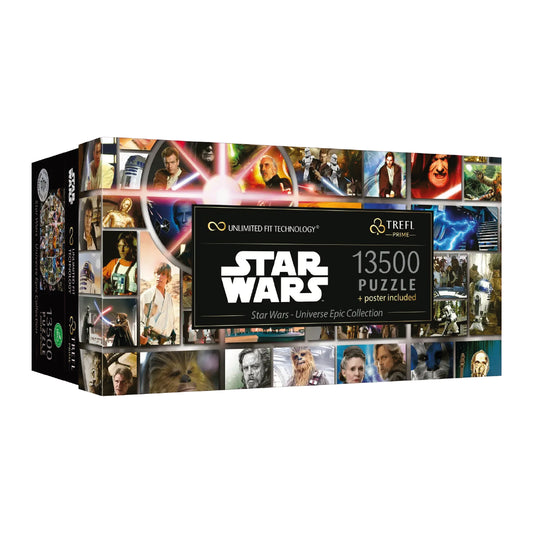
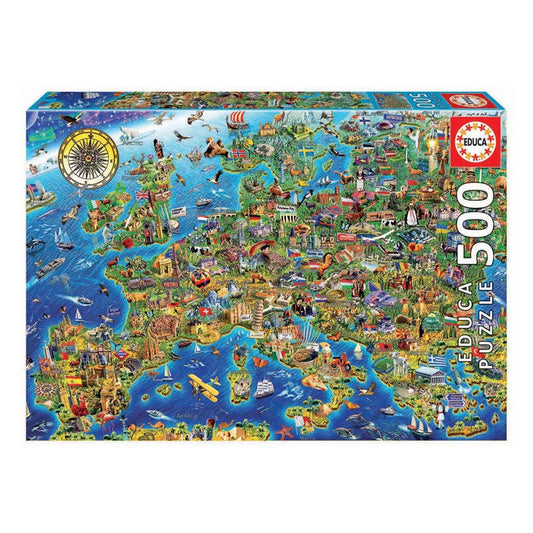
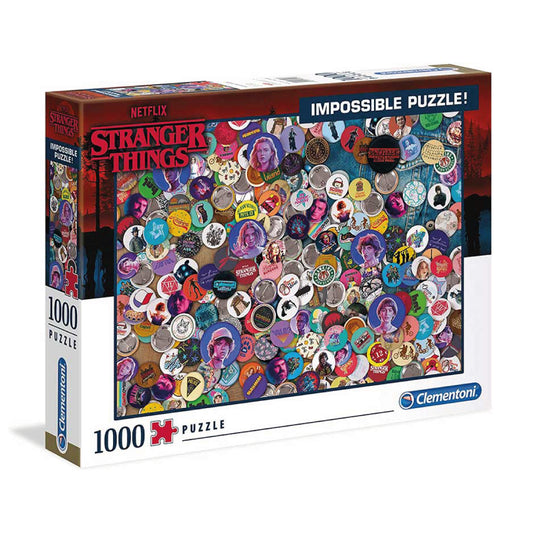
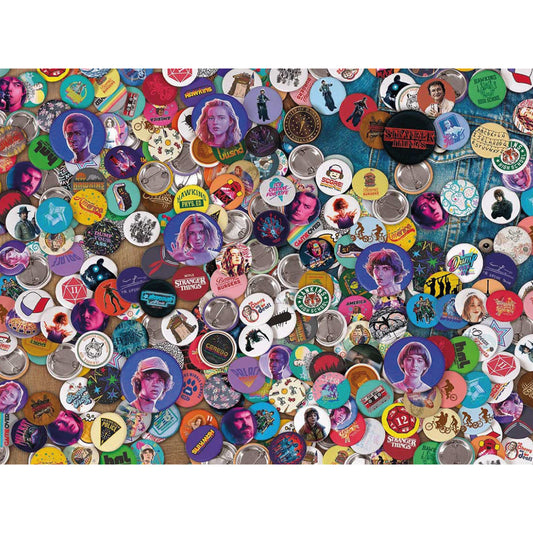
One of the most interesting changes involves products that encourage interaction. These include "do-it-yourself" kits, themed board games, complex puzzles, diaries, notebooks with missions, and even recipes inspired by elements from the series' imagery.
It's merchandising that takes up time, not just space.
And this fits well with the tone of the narrative itself: groups of friends, riddles, exploration, maps, clues. When the product replicates this feeling, the fan feels like they are participating, not just buying.
After a paragraph, it's worth noting some directions that frequently appear in stores and collaborations:
- Vinyl and special soundtracks
- Functional replicas: everyday objects inspired by accessories (clocks, lamps, backpacks)
- Design “easter egg”: subtle references in patterns, stitching, labels, and interiors.
- Posters with alternative art
Sustainability and responsibility in production
Consumption patterns have changed, and merchandising is no exception. There is more attention paid to materials, durability, and provenance. It's not always simple, because licensing involves long supply chains, but the market reacts well when there is transparency and when the product seems designed to last more than one season.
Clothing with better weight, less aggressive dyes, reduced packaging, recycled paper in printing, and more robust choices in accessories are signs of maturity. There is also a growing interest in "less disposable" items: a coat, a bag, a blanket, a lampshade. Items with a long lifespan and real utility.
This point has another side: when a product promises a lot and delivers little, the shortfall is more visible than ever. Quality is no longer a luxury; it has become a requirement.
Where to buy: from online to pop-ups
The online channel has become the main focus, but it doesn't replace the physical experience. Pop-ups and temporary stores work well because they transform the purchase into a small event, with sets, photography, and exclusive items. The fan leaves with a bag and a souvenir.
In traditional retail outlets, a more selective curation is noticeable. Less repeated variety, more pieces with personality. And in marketplaces, the dynamic is different: there, the risk of counterfeits increases, but so does the secondhand market for sold-out editions.
One interesting aspect is the crossover between merchandising and "archive" collecting: some people buy to use, and others buy to keep intact. The two audiences coexist, but they value different things, and brands are responding with editions for each profile.
A quick overview of the most popular categories.
| Category | What is gaining traction? | What differentiates a good product? | Common risk |
|---|---|---|---|
| Clothing | capsules with a discreet design | fabric, cutting, embroidery and woven labels | Weak printing, obvious graphics. |
| Collectibles | replicas and numbered editions | Detail, packaging, consistency with the series. | "Limited" with no additional value |
| Home and decoration | lighting, textiles, posters | Real utility and balanced aesthetics | excessive references in a single object |
| Games and activities | puzzles, board games, kits | Clear rules, solid materials. | to appear "childish" unintentionally |
| Accessories | bags, pins, simple jewelry | finishes and hardware | cheap materials, wear out quickly |
How to choose merchandising without losing your way.
With so much on offer, choosing well becomes a skill. The temptation to buy impulsively exists, but what ends up in the cupboard or on the shelf is usually what combines taste, quality, and personal meaning.
After observing trends and new releases, there are some criteria that help to make a more informed decision:
- Material quality: feel, weight, seams, print, and zippers.
- Aesthetic fidelity: colors, symbols, and proportions consistent with the visual universe.
- Actual use: whether it will be used or just stored, and whether that makes sense for the buyer.
- Edition and provenance: clear licensing, product information, production details.
A good sign is when the product works even without explicitly mentioning the reference. It fits into everyday life and, at the same time, carries an extra layer of appeal for those who recognize the detail.
What could gain traction in the coming seasons?
The demand for more discreet items is likely to continue rising, especially in clothing and accessories. Fans want to belong, but don't always want to shout the name of the series.
It's also natural that collecting is becoming more "curated": less volume, more pieces with history, more editions with superior materials. Functional replicas and decorative objects with serious design have room to grow.
And there's a path that might surprise you: products focused on community. Items designed for playing, bringing friends together, organizing themed nights, creating group rituals. The spirit of Stranger Things lives very much in this energy, and the strongest merchandising tends to be what manages to transport that feeling beyond the screen.