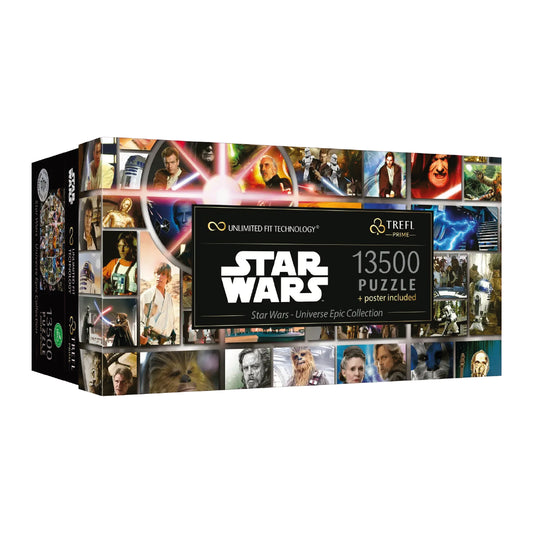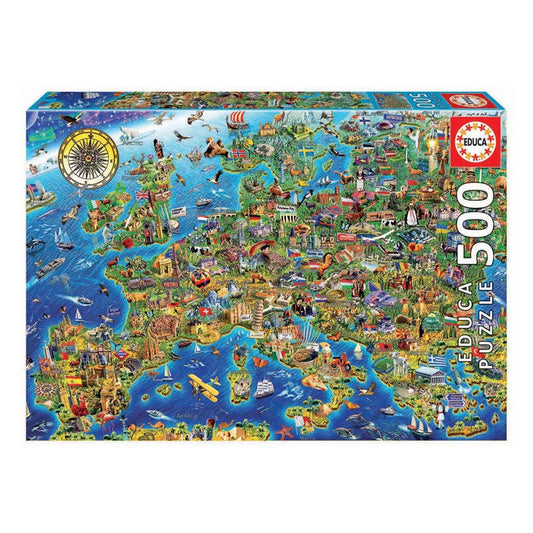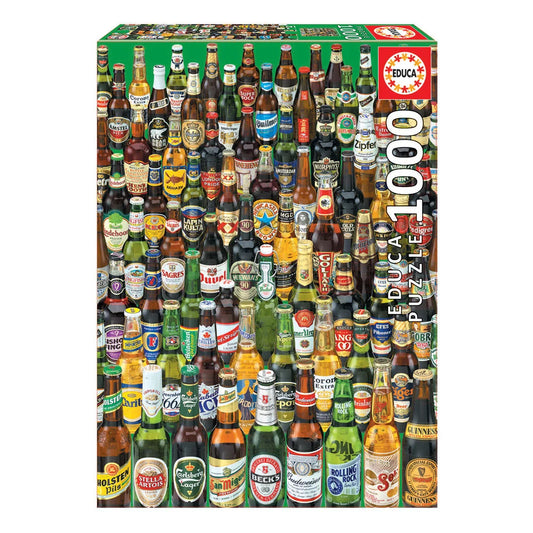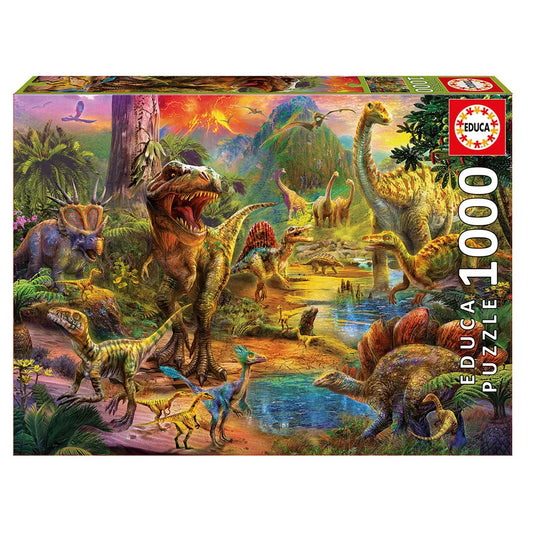




There are objects that don't need electricity to ignite memories. A jigsaw puzzle from the '80s is one of them: a box with worn corners, vibrant colors, a faint smell of cardboard and ink, and that silent promise of hours spent assembling a world piece by piece.
Nostalgia isn't just longing; it's also an invitation to pay attention. The jigsaw puzzles of that decade had their own rhythm, made of patience, trial and error, tables occupied for days, and conversations that took place while hands searched for "that" piece.
Why did 80s jigsaw puzzles stay in our memory?
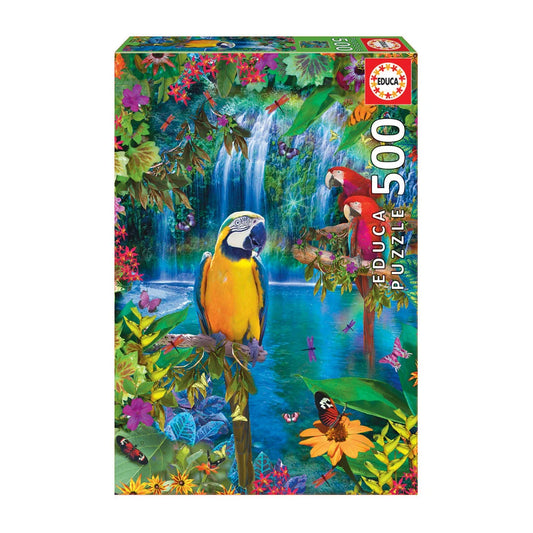
The 1980s brought an intense visual culture. The covers were graphic, full of contrast, and many illustrations had an optimistic touch: bright landscapes, familiar scenes, colorful fantasies, cities that seemed cleaner than in real life. This made the jigsaw puzzle almost a poster for the living room.
There was also a direct relationship with time. A jigsaw puzzle didn't "load" or send notifications. It demanded continuity: returning to the table, resuming the logic, rediscovering patterns. This tranquil repetition is one of the reasons why so many associate jigsaw puzzles from that era with comfort.
On a social level, they were a form of entertainment that could be shared without much preparation. A jigsaw puzzle could be open, in progress, and anyone passing by could contribute with a brief and useful gesture: separating colors, forming borders, testing a fit.
After a paragraph, it's worth remembering some elements that usually come up when talking about puzzles with an "80s look":
- Saturated colors
- Large typography in the box
- Illustrations with great detail.
- Photographs with a "postcard" feel
- Portable mechanical challenges
The object itself: materials, shapes, and small rituals.
The card was more than just a support; it was part of the experience. Slightly thicker pieces, a snapping mechanism that made a sound, and that minimal resistance that confirmed I was right. There were imperfections too: less uniform cuts, printing that varied slightly from batch to batch, and the charm of accepting that as part of the game.
The boxes had a presence. They weren't just packaging; they were "promises" in the form of images. Many were displayed on shelves, mixed in with books, cassette tapes, and board games. In many homes, a jigsaw puzzle began with a simple ritual: emptying the pieces, turning them all face up, separating the edges, and discussing the strategy.
And there was something very characteristic of that time: the permission to let the puzzle take up space. A dining table temporarily transformed into a patience workshop was a frequent family arrangement.
Types of puzzles that defined the decade
When people talk about "80s puzzles," many immediately think of the classic interlocking jigsaw puzzle. But the decade was generous in variations: three-dimensional challenges, mechanical puzzles, puzzle books, mazes, combinations. Each format had its own personality and, above all, its own kind of enjoyable frustration.
The table below helps to identify some of the most memorable formats and what made them so addictive:
| Type | What makes it "80s"? | Difficulty level (tendency) | Ideal for |
|---|---|---|---|
| Cardboard puzzle | Boxes with bold illustrations and popular themes. | Medium to high | Long nights and shared tables |
| Cube and mechanical variations | Fascination with patterns, colors, and repeatable movements. | High | Those who enjoy training method and memory. |
| Metal jigsaw puzzle | Small, portable parts with logic tricks. | Average | Short breaks, pocket and table |
| Tangram and mosaics | Simple shapes, geometric creativity. | Average | Curious children and visual adults |
| Puzzle and hobby books | Graphic aesthetics, quick challenges, pen in hand. | Low to medium | Travel, vacations, relaxing afternoons |
There's a common denominator: everyone asks for unhurried attention. And that, today, sounds almost luxurious.
The 80s aesthetic: color, noise, and detail.
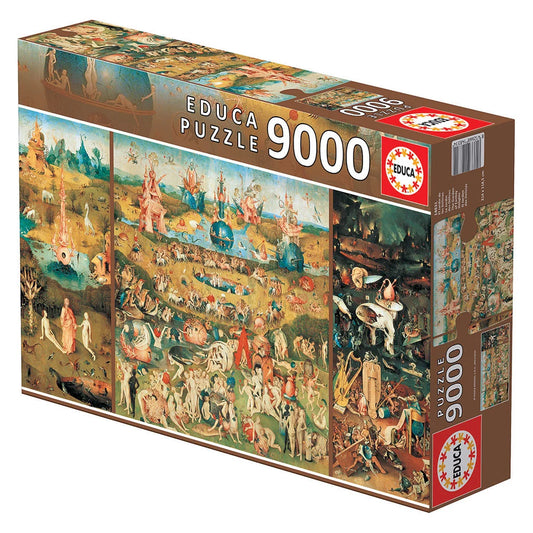
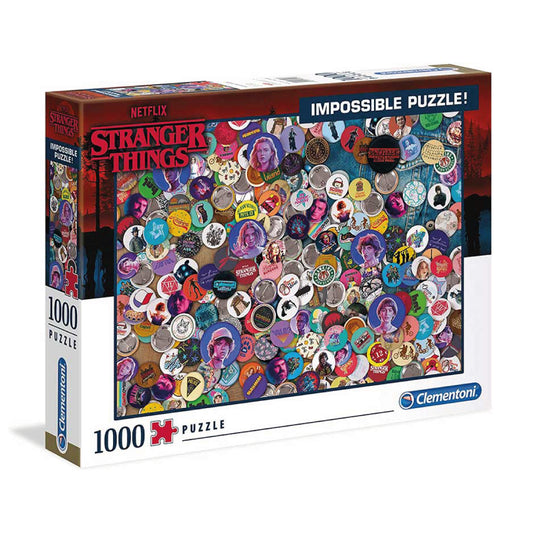
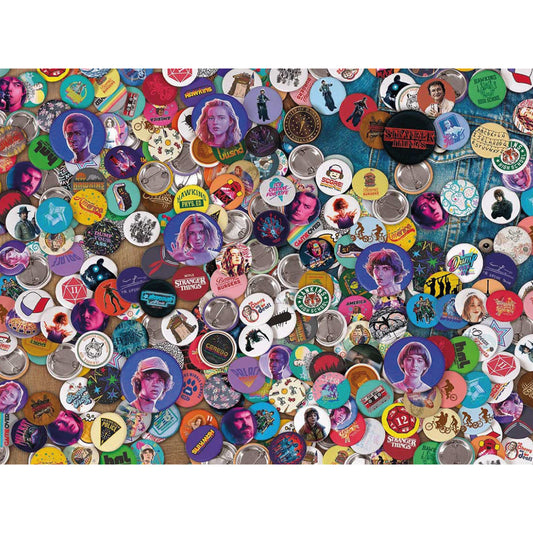
The jigsaw puzzles of that era weren't afraid to be "packed." Many images relied on repeated patterns, textures, and small elements: leaves, bricks, waves, crowds. This visual density increased the challenge and, at the same time, made assembling the puzzle more rewarding, because each completed section felt like a small victory.
There was also a certain theatricality in the choices: fantasy settings, animals in dramatic poses, landscapes that looked like they were painted for calendars. Even when the image was photographic, there was a concern to make it attractive and luminous.
This aesthetic had a practical effect: it created clues. A typeface on a shop facade, a gradient in the sky, a sequence of tiles. The puzzle taught one to look more precisely.
Nostalgia without naiveté: what are we looking for when we return to these puzzles?
Not all nostalgia is about "going back." Often it's about recapturing a feeling: the idea that time can be used more slowly and fully. A jigsaw puzzle is a training in presence. The hands do it, the eyes confirm, the mind learns to wait.
There's also something comforting about the predictability of the goal. No matter how chaotic the day is, the puzzle holds true: if you persevere, it will close. Not through magic, but through persistence.
And there's a tactile dimension that can't be replaced. The sound of the pieces, the friction of the cardboard, the slight hesitation before fitting them together. All of this gives substance to the experience.
How to recreate the experience in 2026 without losing the flavor of the 80s?
You don't need to turn your house into a museum. You just need to choose the right context. The "80s" experience doesn't just depend on the object; it depends on the environment: light, available time, minimal interruptions, and that table that can be kept occupied.
Shopping can also be part of the pleasure: flea markets, thrift stores, family collections, swaps between friends. When you find a complete antique jigsaw puzzle, it feels almost like recovering a lost photograph.
After a paragraph, here are some practical ideas to bring the ritual closer to what was common in that decade, without being rigid:
- A dedicated table: a corner where the puzzle can remain assembled for days.
- Warm, direct light: a lampshade that reduces shadows and eye strain.
- Initial screening: borders first, then colors, then patterns.
- Short breaks: stopping before becoming overwhelmed helps you come back with "fresh eyes".
- Simple background sound: radio, soft music, comfortable silence.
Choosing the right puzzle: difficulty, image, and intention.
The choice of puzzle defines the type of enjoyment. An image with sky and sea can be meditative or irritating, depending on the size and layout. A puzzle with many details can be demanding, but also more generous in clues.
It's worth considering your intention: do you want a two-hour activity or a week-long project? Do you want to chat while riding, or do you want absolute silence? A good puzzle is one that fits your pace, not the one that "looks" most impressive in the box.
A simple way to decide is to follow a short sequence of questions. After the paragraph, here's a numbered list, without complicating things:
- How many pieces fit into the time I have this week?
- Does the image have repetitive areas that will tire me?
- Will I assemble it alone or with other people?
- Do I want a logical (mechanical) or visual (fitting) challenge?
- Do I have enough space to keep it open without stress?
The social aspect: puzzles as a pretext for being together.
A jigsaw puzzle is a cooperative object by nature. Even those who "aren't good at it" can help: separating pieces by color, looking for patterns, assembling the frame. And there's a special charm in slow collaboration, where progress is visible and shared.
In family settings, it's an elegant way to create presence without requiring constant conversation. Words emerge because there's time, not because there's a need to fill silence. Among friends, it works as an alternative to noisy plans: an evening that blends focus and relaxation.
It can also be a gesture of hospitality. Having a half-finished jigsaw puzzle on a table is almost like saying, "You can sit down, stay a while, contribute a piece."
Keep, frame, repeat: what to do after finishing
In the 1980s, many jigsaw puzzles were taken apart and returned to their boxes, ready to be reborn at another time of year. Repetition was part of the value: putting it together again wasn't a waste of time; it was returning to a familiar place.
Today, some people prefer to glue and frame them. This works well with iconic and highly graphic images, especially when the color palette is typical of the decade. There's also a third option: trading. A complete and well-cared-for jigsaw puzzle can circulate among friends, just as tapes and books used to.
Whatever the destination, there's one detail that maintains the spirit: treat the puzzle as an object with a story, not as a disposable product.
A short, practical invitation (no rush)
If you want to authentically relive that nostalgia, choose a jigsaw puzzle with an image that captivates you right before you begin, open the box in a calm moment, and allow yourself to take your time. The pleasure isn't in finishing quickly; it's in recognizing patterns, celebrating micro-victories, and letting time have texture again.
And when you finally find the last piece, notice the brief silence that follows. That second often feels like something out of the 80s.