



For many, solving a puzzle is synonymous with leisure, a peaceful pastime that challenges the mind and offers a revitalizing break from the hustle and bustle of everyday life. What may be surprising is how much this activity transcends mere distraction: solving puzzles can be a true brain exercise, promoting benefits for logical reasoning, memory, and even stress management.
The growing popularity of puzzles among adults is noticeable. At a time when so much is being sought after for digital stimulation, there's a special fascination with the analog challenge of fitting pieces together, one by one, until you create something larger. The sense of achievement is tangible, and you cherish every moment of focus. This trend goes far beyond nostalgia or a return to childhood: in fact, it has well-founded reasons to excite adults of all ages.
Why choose puzzles as an adult?
Jigsaw puzzles are one of the few pastimes that simultaneously offer relaxation, entertainment, and intellectual stimulation. Here, mind and hands work together, leading to that rare mental state of deep concentration known to many as "flow."
Several studies suggest additional benefits that include:
- Developing problem-solving skills: Looking for parts and noticing patterns exercises deductive reasoning.
- Focus and patience training: Each puzzle is a lesson in perseverance and attention to detail.
- Memory support: The need to remember colors, shapes and details stimulates different areas of the brain.
- Stress management: The slow pace and undivided attention reduce anxiety levels.
- Social potential: Group puzzles promote interaction, ideal for both friends and families.
The choice of puzzle can reflect both individual preferences and the desired challenge. Options vary in complexity, from relaxing landscapes to famous works of art to three-dimensional constructions. Each box contains a world, a challenge waiting for the right moment.
Types and genres of puzzles for adults
The world of puzzles is vast and can be divided into categories based on genre, material, or size. Below, a table highlights some of the most popular options for adults:
| Puzzle Type | Brief description | Challenge level | Suitable for |
|---|---|---|---|
| Classic 2D (card) | Flat pieces, varied images | Medium to high | Soil, groups, families |
| 3D and architectural | 3D recreation of monuments | High | Enthusiasts, collectors |
| Wooden puzzle | Durable parts, alternative format | Average | Adults, exquisite gift |
| Logic puzzles | Mechanical, require physical manipulation | High | Puzzle enthusiasts |
| Magnetic puzzles | Small and portable, magnetic parts | Low to medium | Travel, short breaks |
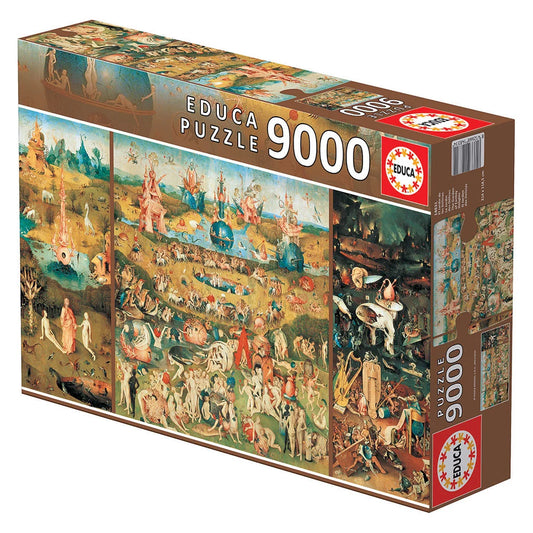
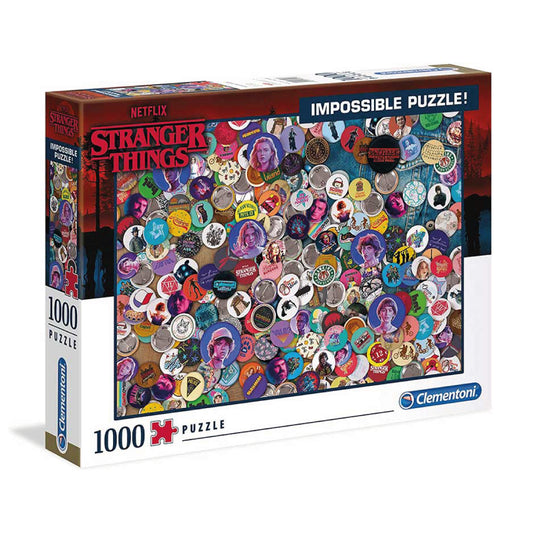
Many enthusiasts dedicate themselves to assembling themed puzzles: historical maps, surrealist paintings, space photographs, wild animals, iconic cities. Others seek extreme difficulty, opting for puzzles with thousands of pieces and subtle color patterns—true tests of persistence.
Three-dimensional, or "3D," puzzles represent one of the most modern trends. Less conventional, they bring the appeal of real constructions and challenge spatial perception, making them ideal for those who enjoy unusual challenges.
Strategies for solving challenging puzzles
Tackling a puzzle with a thousand or more pieces can seem overwhelming at first. Over time, many have developed their own methods to avoid frustration and maintain a good mood when faced with a puzzle full of scattered pieces.
The most popular tricks involve:
- Initial organization: Start by separating all corner and boundary pieces. Many people still prefer to group them by color or pattern.
- Framing: In this respect, puzzles work like life: a good framing facilitates inner progress.
- Division by area: After the border, focus on small thematic areas. You don't need to decipher everything at once.
- Observe continuously: Stopping to observe the box can reveal details that might otherwise go unnoticed.
- Frustration tolerance: Not every session requires finishing the puzzle. The pleasure lies in coming back, little by little, and watching the progress grow.
For those who enjoy a collective challenge, solving puzzles together still requires communication and collaboration—deciding on areas of focus, exchanging suggestions on pieces that seem similar but rarely fit where we expect.
The impact of puzzles on mental health
Engaging in puzzles has been associated with several psychological benefits. Distributed attention capacity increases, as the process forces the eye to jump between multiple details in a larger picture. Practicing problem-solving, accepting that certain attempts fail, and readjusting strategies are brain exercises as effective as crosswords or Sudoku.
Some research also suggests that puzzles may help prevent cognitive decline associated with aging. It's not a cure, but it's a useful tool for keeping the brain active and flexible.
The satisfaction of fitting "that" piece that seemed lost isn't trivial. Each small success releases dopamine, providing a sense of pleasure and renewed motivation to continue to the end of the challenge.
Digital puzzles vs. physical puzzles
While the traditional format, with its tangible boards, boxes, and pieces, endures, digital puzzles have won over many fans in the entertainment world. They offer the convenience of not taking up physical space and allow users to vary the difficulty to their liking. The implementation of features like hints or the ability to share achievements on social media attracts a more tech-savvy audience.
The following table compares some key aspects between traditional and digital puzzles:
| Feature | Physicists | Digital |
|---|---|---|
| Tactile experience | High | Reduced |
| Mobility | Limited | Maximum |
| In-person socialization | Ease | Minor |
| Instant variety | Average | Very high |
| Risk of losing parts | Yes | No |
| Final aesthetic sensation | Possible to frame | Virtual |
Both have the potential to develop cognitive skills and provide personal satisfaction. The choice often depends on individual preferences, space availability, interest in new technology, or desire for entertainment.
Puzzles, creativity and mindfulness
What may seem like pure logic often hides moments of pure creativity. Solving a puzzle sometimes requires looking at the same challenge from a different perspective, testing hypotheses, and relying on imagination.
Many practitioners also refer to the almost meditative effect they feel behind the ritualized act of fitting pieces together. The noise of the outside world fades, and a kind of productive inner silence prevails. Time slows down, anxiety dissipates, and the mind becomes more open to new ideas. Here, the puzzle also serves as a practical tool for pausing and refocusing.
Suggestions for starting (or diversifying) the practice
If you're considering trying this hobby, or if you're already an enthusiast and looking for more daring challenges, you might consider:
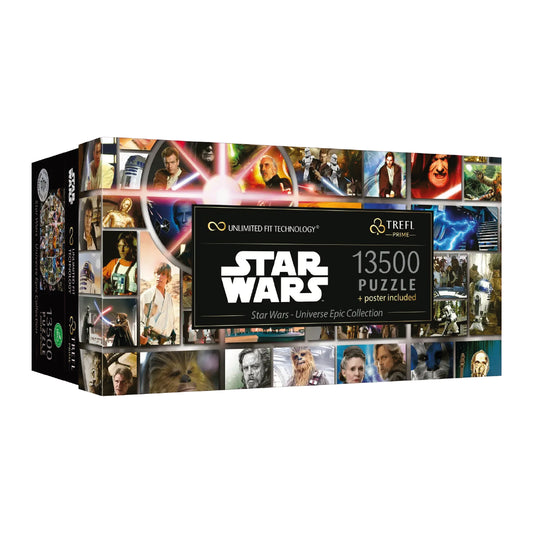
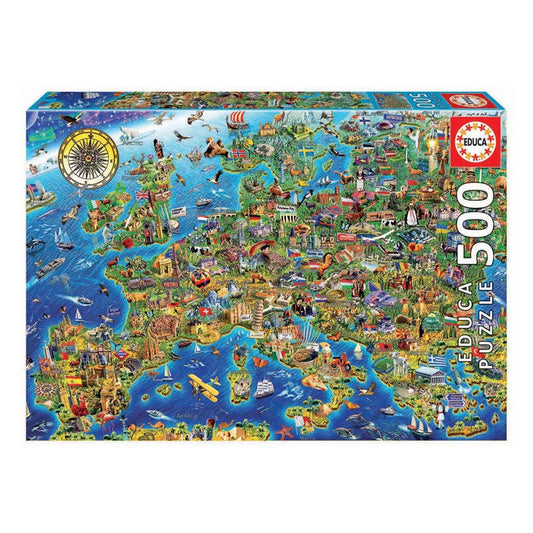
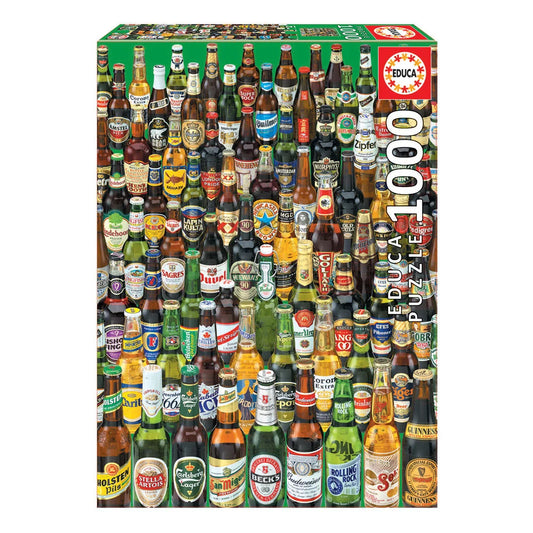
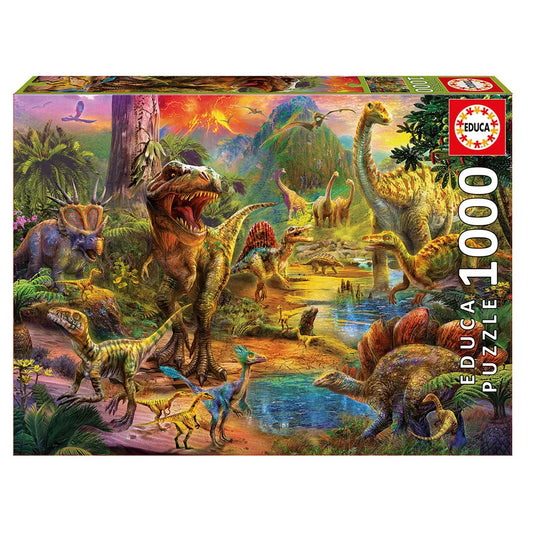
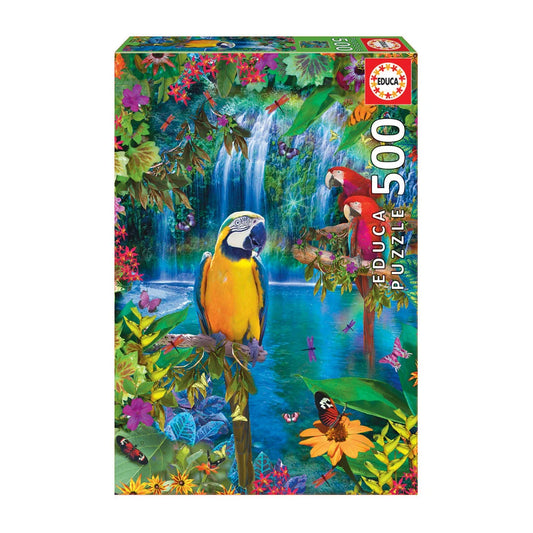
- Educa puzzles with over 1000 pieces and intricate patterns.
- 3D models of historical monuments or futuristic structures.
- “Escape puzzles”, which combine assembly with a riddle to be deciphered.
- Customizable puzzle from a family photo or striking landscape.
- Mechanical puzzle for those who like to combine logic and manual dexterity.
Giving a puzzle can be an original and meaningful gift, perfect for marking special dates, birthdays, team celebrations, or simply a gesture of friendship.
The value of each piece
Dedicating time to a puzzle is affirming that the place of active silence still has room. It's valuing each fragment, aware that only in their interconnection does something beautiful happen. Experiences like these restore the confidence that life can (and should) be lived with greater presence and intensity, one piece at a time.
Because what seems like just a creative pause or an exercise in patience ends up becoming a testament to perseverance, intelligence and shared joy.