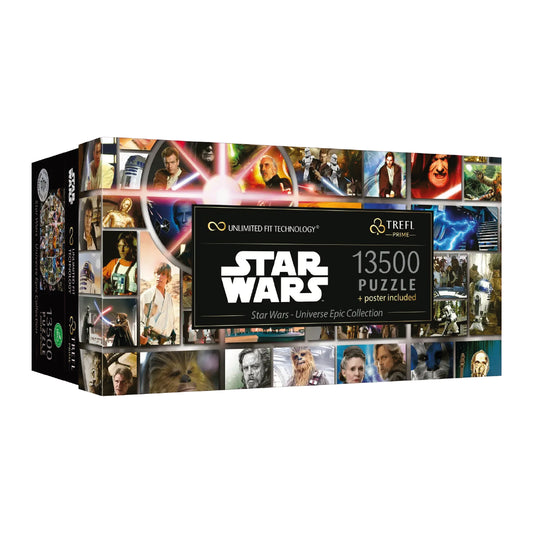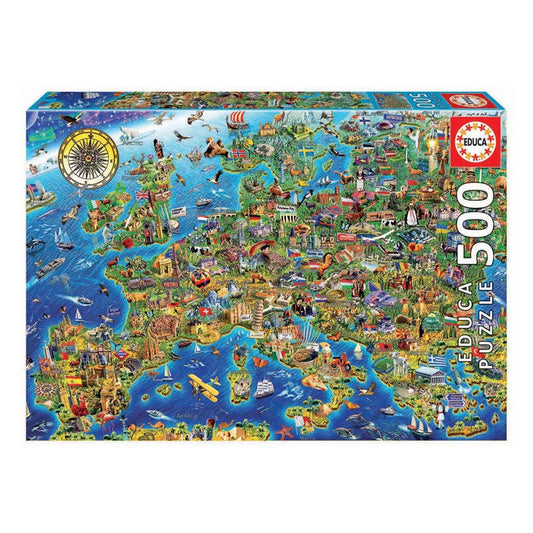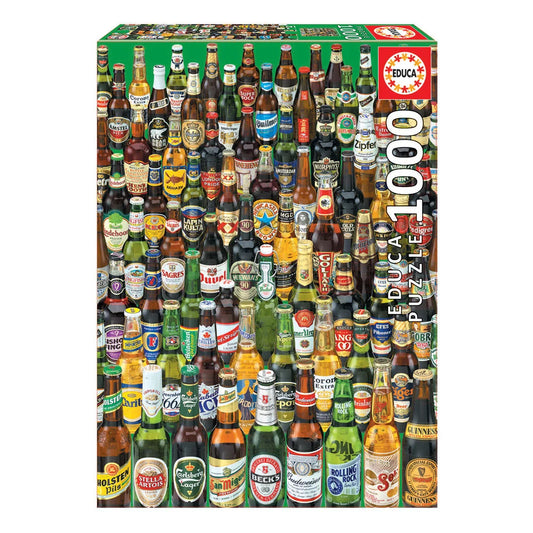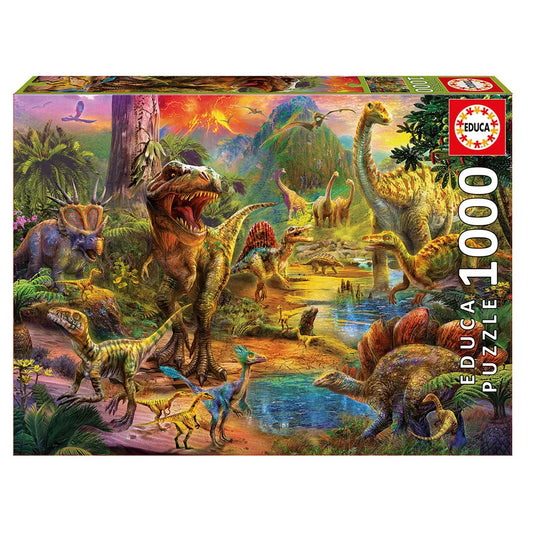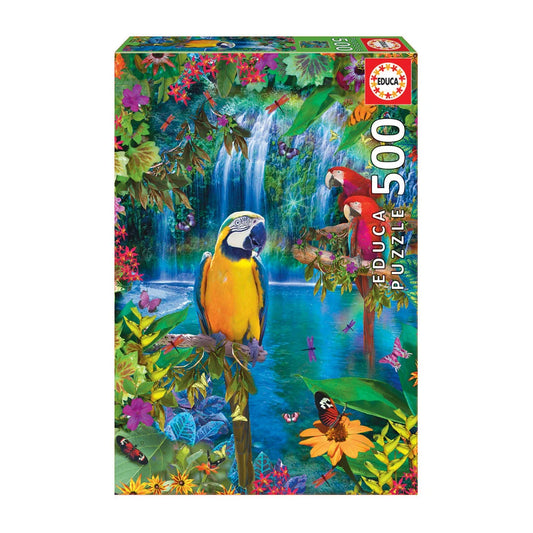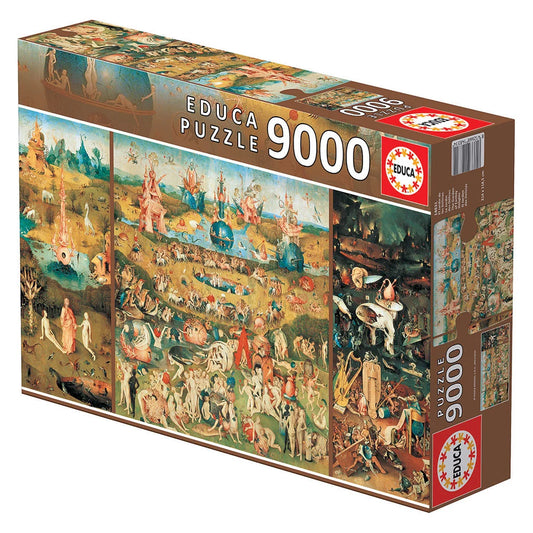


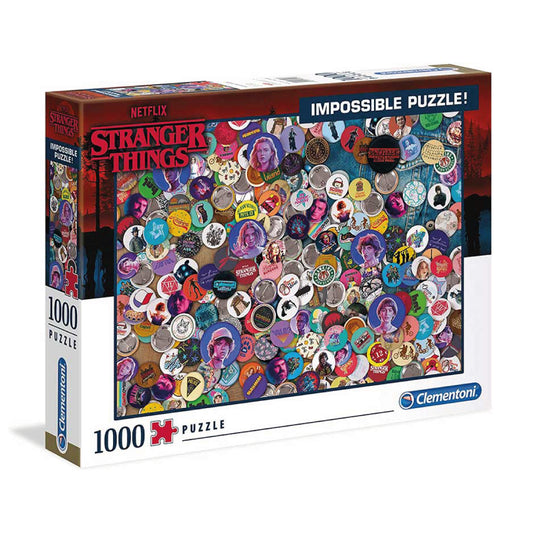
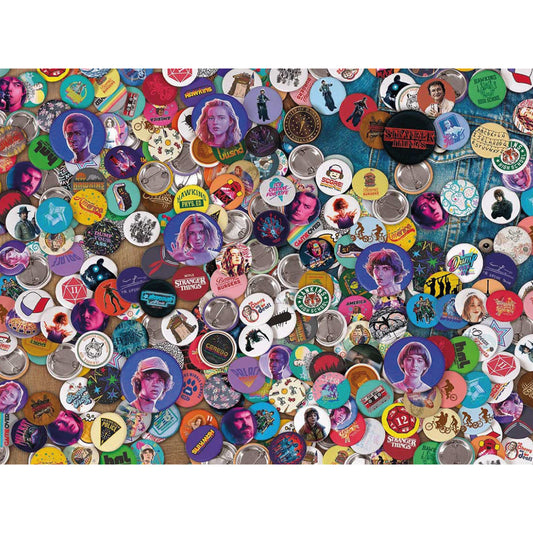


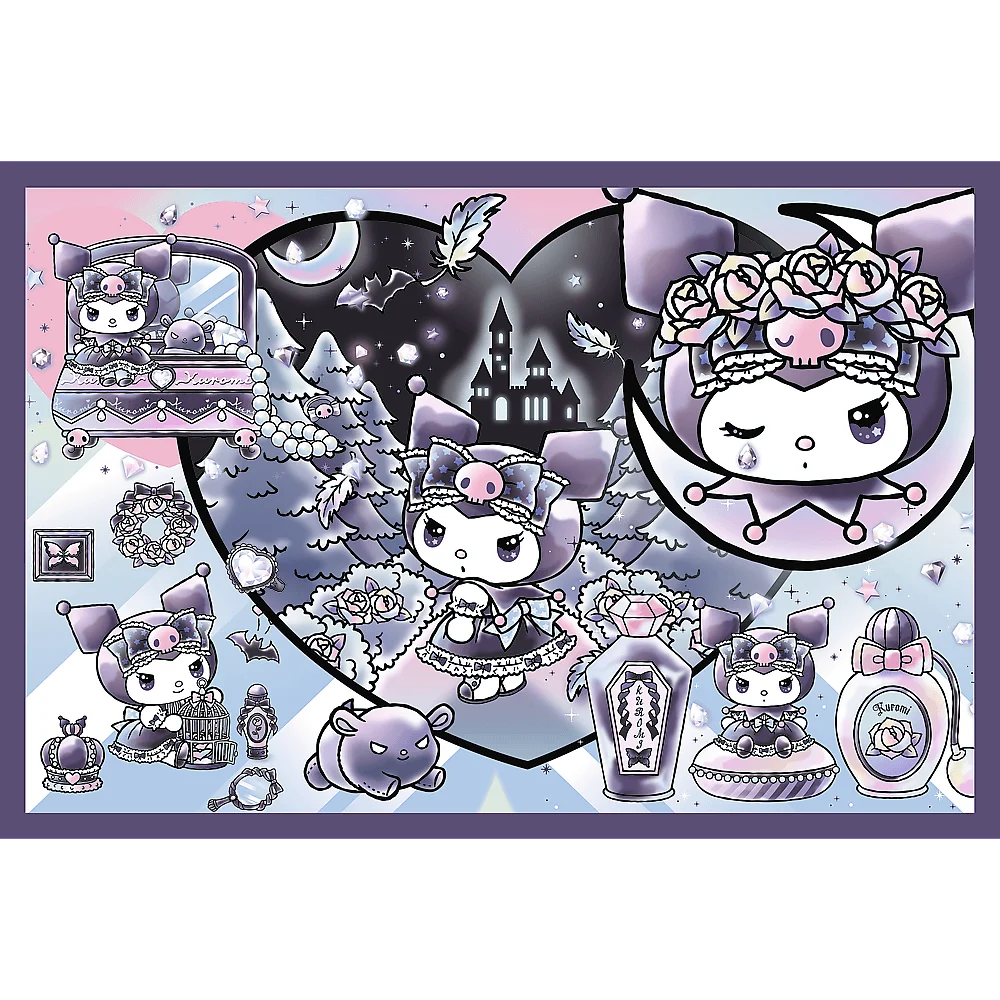
There are gifts that are memorable not for their price, but for the time spent, the peaceful surprise of an afternoon of concentration, and the satisfaction of fitting the right piece together. A puzzle is exactly that: a purposeful pause, an invitation to calm and focus, a perfect excuse to disconnect from the screen.
Whoever offers a puzzle also offers a small ritual. Setting the table, turning the pieces over, separating the edges, discussing colors and patterns, celebrating the small victories with each meaningful connection. It's a simple gesture that sparks conversation, creates moments, and spans generations.
And there's a whole world of puzzles to choose from. From classic 1,000-piece puzzles to 3D sculptures, from secret boxes that defy logic to metal puzzles that seem impossible until you figure it out. The key is to choose with intention.
Why offering a puzzle works so well
- It creates quality time. It's an activity that slows down the pace and creates space for conversations that arise effortlessly.
- Reduces stress. Repetition, visual focus, and the sense of progression are calming.
- Adaptable to everyone. There are options for children, adults, seniors, art fans, movie buffs, and design enthusiasts.
- Fits any budget. From small, symbolic details to premium pieces for collectors.
- It has longevity. You can assemble it today, save it for another occasion, frame it, or pass it on to another friend.
How to choose: the right puzzle for the right person
Before you buy, consider who you'll be receiving. A few simple questions will help you get it right:
- How much time do you want to invest? Puzzles with 300 to 500 pieces can be solved in an afternoon. Puzzles with 1,000 to 1,500 pieces require several evenings. Puzzles with 2,000 or more can take weeks.
- Available space. A dining table holds 1,000 pieces; 2,000 requires a puzzle mat or dedicated surface.
- Visual preferences. People who enjoy art and illustration tend to appreciate images with detail and color. Minimalists may prefer gradients and clean compositions.
- Prior experience. Beginners appreciate larger pieces and images with strong contrast. Veterans enjoy repetitive color fields and irregular cuts.
- Manual dexterity. For those with less dexterity or more sensitive vision, choose larger pieces, matte finishes, and distinct shades.
- Will you be doing it alone or in a group? Families benefit from puzzles with distinct themed zones that everyone can tackle.
One last factor: surprising with something different can make the gift memorable, but without losing sight of the recipient's personality.
Types of puzzles worth solving
Classic tile puzzles
The cardboard classic everyone knows, available in 300, 500, 1000, 1500, 2000, or more pieces. Brands like Ravensburger, Clementoni, Educa, Heye, Gibsons, and Eeboo are safe bets for cutting, fitting, and printing.
What to look for:
- Matte finish to prevent glare
- Clean cut, pieces that don't "wobble"
- Image with distinct areas of texture and color
- No cardboard dust in the box, a sign of good manufacturing
Who to gift it to:
- Anyone who enjoys art, photography, maps, nature, architecture
- Couples and families who enjoy riding together
- Anyone who enjoys a challenge that can be solved over several sessions
Premium wooden puzzles
Laser-cut wooden pieces, often with "whimsies" or object-shaped pieces. Brands like Wentworth, Artifact Puzzles, Cloudberries Wood, and Ludic Assoc. are known for their quality.
Advantages:
- Very pleasant touch and snap sound
- Creative cuts and unique pieces
- Objects that last and gain value as a collection
Ideal for:
- Gifts “to keep” for important dates
- Who values materials and design
3D puzzles and models
Models that are assembled in bulk. They can be made of laminated foam, cardboard, wood, or plastic. Wrebbit 3D, CubicFun, and Ugears are examples.
Varieties:
- Monuments and urban icons
- Wooden mechanical models with moving parts
- Vehicles, creatures and themed scenes
For profiles:
- Architecture and travel fans
- Curious minds who enjoy building and watching things take shape
- Young people who get excited about displayable objects
Mechanical and untangling puzzles
Metal or wooden puzzles that require spatial reasoning, patience, and attentive fingers. The Hanayama Cast series is very popular, with difficulty levels ranging from 1 to 6.
Why they work well:
- They take up little space
- They can be at the table or room and challenge anyone who passes by
- They give you that “oh, that was it” feeling when the trick is revealed.
Good option for:
- Coworkers
- Friends who enjoy quick, portable challenges
Secret boxes and “exhaust heads”
Boxes with hidden mechanisms that require sequential steps to open. Some come with integrated narrative and puzzles, almost like a miniature escape room. Companies like iDventure, Escape Welt, and HolzSammlung offer a variety of models.
Excellent for:
- Gifts with a surprise effect
- People who like mystery and investigation
- Group moments where everyone gives their opinion
Logic blocks and solo reasoning games
SmartGames, ThinkFun, and Djeco offer progressive challenges with pieces that must be placed according to problem cards. They're not classic "piece puzzles," but they serve the same purpose.
Suitable for:
- Children from 4 years old
- Young people and adults who want to practice logic daily
- Those who have little time and prefer 10 to 20 minute challenges
Puzzles for kids
Illustration, safety, and durability are key here. Londji, Janod, Djeco, Orchard Toys, and the Portuguese company Science4you stand out.
Attention to:
- Recommended age and size of pieces
- Themes that spark the imagination
- Sturdy storage boxes
Quick guide by part number
- 0 to 50: babies and early years, giant pieces and textures
- 100 to 200: Preschool and Early Readers
- 300 to 500: family initiation, quiet afternoons
- 1000: the most versatile adult format
- 1500 to 2000: Extended Challenge for Enthusiasts
- 3000+: a project for those who have a dedicated desk and a lot of pleasure in persevering
Reference table
| Type | Recommended age | Average assembly time | Challenge level | Typical price | Display value |
|---|---|---|---|---|---|
| Classic 500 pieces | 10+ | 2 to 5 hours | Low | Low/Medium | Average |
| Classic 1000 pieces | 12+ | 6 to 15 hours | Average | Average | High |
| Premium wood 250-500 | 12+ | 4 to 10 hours | Average | High | Very high |
| 3D monuments | 12+ | 3 to 8 hours | Average | Average | Very high |
| Hanayama Cast Level 3-6 | 12+ | 10 min to several days | Medium/High | Average | High |
| Secret box | 14+ | 30 min to 2 hours | Medium/High | Medium/High | High |
| SmartGames/ThinkFun | 6+ | 10 to 30 min per challenge | Progressive | Low/Medium | Average |
Times are indicative and vary with experience, image and environment.
Themes that make a difference
The image is half the pleasure. A wise choice transforms the montage into an almost cinematic experience.
- Classical and contemporary art: Van Gogh, Hokusai, Klimt, MC Escher, modern illustration
- Maps and cartography: vintage, celestial, country or city maps
- Nature in macro: feathers, leaves, minerals, textures
- Aerial photography and urban views
- Collages, typography and graphic design
- Cinema, bands, iconic characters with official licenses
Tip: Images with several distinguishable areas help when the group is large. Each person can "adopt" an area.
Custom photo puzzles
A personal gift that works great for birthdays, weddings, and family occasions. Several online stores in Portugal produce puzzles with the photo of your choice.
Good practices:
- Choose high-resolution photos
- Avoid large monochromatic areas
- Include detail elements that serve as an anchor
To elevate the gesture, include a frame or a card suggesting framing when finished.
Gift sets that shine
A puzzle is special in itself. With a few extras, it becomes a small event.
Set ideas:
- Puzzle + felt mat to roll up and store
- Puzzle + piece sorting trays
- Puzzle + glue and spatula for fixing and framing
- 3D puzzle + LED light for display case
- Hanayama + personalized fabric bag
- Secret box + hidden message inside
A nice note explaining why you chose that image or type of puzzle adds character to the gift.
Quality and sustainability
More and more brands are using recycled cardboard, water-based inks, and FSC-certified wood. Well-cut pieces reduce frustration and increase durability.
Signs of quality:
- Firm fit without forcing
- Parts without burrs or dust
- True colors and sharp printing
- Non-glare matte finish
If you value materials, premium wood is an unforgettable treat. For intensive family use, classic cardboard pieces from solid brands can withstand assembly and disassembly cycles without losing their shape.
Budget recommendations
Small gestures:
- Hanayama Cast Level 2 or 3
- Pocket SmartGames
- Mini puzzles of 150 to 300 pieces with captivating illustration
- Progressive kids puzzles with 3-4 puzzles in the same box
Mid-range:
- 1000-piece classics from Ravensburger, Clementoni or Educa
- 3D Monument Puzzles from Wrebbit or CubicFun
- Secret Inboxes with 8 to 12 Steps
- Custom puzzles from 500 to 1000 pieces
Premium bet:
- Laser-cut wood with whimsies
- Ugears mechanical models with elastic movements
- Numbered artist editions
- Complete set with frame and conservation materials
Difficulty: how to calibrate
Difficulty doesn't depend solely on the number of pieces. Other factors also play a role:
- Type of cut. Very similar pieces increase the demands.
- Chromatic palette. Gradients, haze, and uniform skies stretch the patience.
- Text and patterns. Typography and repeating patterns can be confusing or helpful, depending on the designer's eye.
- Piece size. Larger pieces make it easier, especially in less favorable light.
When it comes to gifts, it's better to err on the side of too little than too much. A puzzle that progresses motivates. A monochromatic wall might end up back in the box.
Accessibility and comfort
A thoughtful gift also considers these details:
- XL pieces for people with reduced dexterity or sensitive vision
- Matte surfaces and soft lighting to reduce reflections
- Rug to tidy up without taking up space on the table for several days
- Color separators to simplify sorting
- Estimated time written on the card, managing expectations
How to present the gift
Small touches elevate the experience:
- Wrap with paper that matches the image's theme.
- Include a corner marker or tweezers to avoid damaging parts.
- Write a message challenging the first session, with coffee and music
- If it's a 3D puzzle, also offer a microfiber cloth for cleaning.
A fun idea is to wrap the box upside down and hand out a loose piece first, as a clue to what's coming next.
Common mistakes to avoid
- Choosing a topic that the person doesn't like just because it's "difficult"
- Choosing 2000 pieces without knowing if there is space
- Buying a very complex 3D for someone who has never built one
- Ignore the quality of the cut and finish to save a few euros
- Leaving out a practical detail like a mat or board when the puzzle is large
Where to buy the best puzzles to give as gifts in Portugal
- Well-curated toy and hobby stores located in urban centers
- Bookstores and cultural spaces that offer selections of art and illustration
- Large areas with game and puzzle sections
- Online platforms and official brand stores, useful for specific editions
- Design fairs and markets, where wood brands and author editions
Look for user reviews, actual print photos, and cutting details. For wood, check certifications and thickness. For 3D, watch assembly videos to understand the final sturdiness.
Right ideas for specific profiles
- Romantic: personalized puzzles with photos of two, meaningful city maps, poetic illustrations
- Travelers: 3D monuments, detailed maps, aerial views
- Art lovers: museum pieces, artist collaborations, creative woodcuts
- Families with children: boxes with 3 difficulty levels, group SmartGames, 100 to 300 piece puzzles with resistant pieces
- Minimalists: gradients, typography, clean graphic compositions
- Gadget Minds: Mid/High Level Hanayama, Sequential Secret Boxes, Mechanical Models
Suggestions by occasion
- Birthdays: Edition that connects to the person's main hobby and a matching accessory
- Christmas: 1000-piece jigsaw puzzle with a festive theme or winter landscape that brings the family together
- Thank you to a host: Elegantly designed 500-piece puzzle, easy to share in an afternoon
- Corporate Gift: Hanayama with discreet packaging or compact secret box with a humorous note
Keeping the interest alive
Want the gift to last for months? Think about continuity.
- Choose a brand with collectible series
- Enter a monthly family challenge
- Join a puzzle exchange club
- Include a suggestion card: assemble, glue, and frame the final piece for your office or living room wall
A short 5-step shopping guide
- Decide the assembly time desired by the recipient
- Choose the type of puzzle that best suits your personality.
- Define the theme of the image that will bring smiles
- Adjust difficulty based on experience and light and space conditions
- Add a practical or emotional detail to the gift wrapping
Concrete examples that result
- The methodical colleague: Hanayama Cast level 4 and a notebook for mapping attempts
- The couple who loves series: 1000-piece puzzle with official poster and invitation to the assembly marathon
- Grandparents: 500-piece puzzle with larger pieces, village or sea theme, matte finish
- The Teen Creator: Ugears Mockup with Motion, Video Tutorial, and Featured Bedroom Shelf
- The family with small children: progressive box with 3 puzzles increasing in number of pieces, fun and resistant illustration
Ultimately, a good puzzle is an excuse to stop and appreciate the gift. It has something meditative, patient, and deeply human about it. The recipient senses the intention: to offer time, calm, and a tailored challenge. And when the last piece fits together, the feeling of completeness is shared by both the puzzler and the gift-giver. May more pieces, more images, more well-spent evenings come.