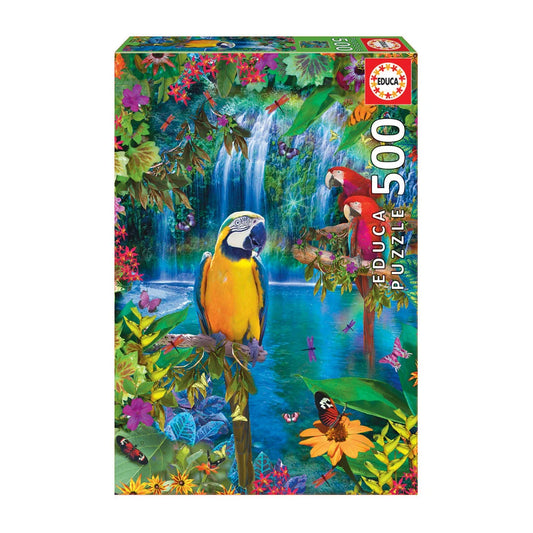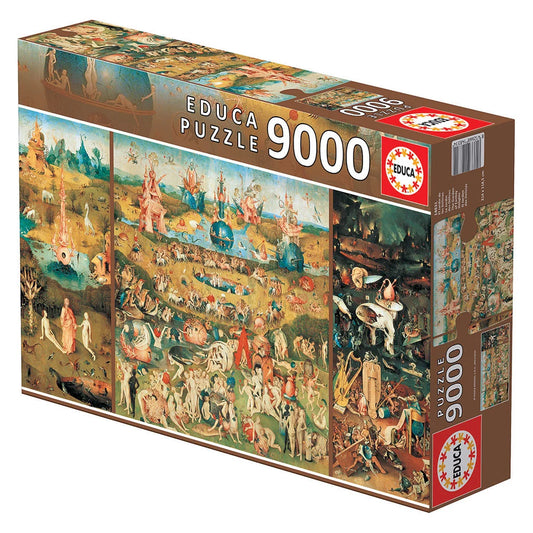


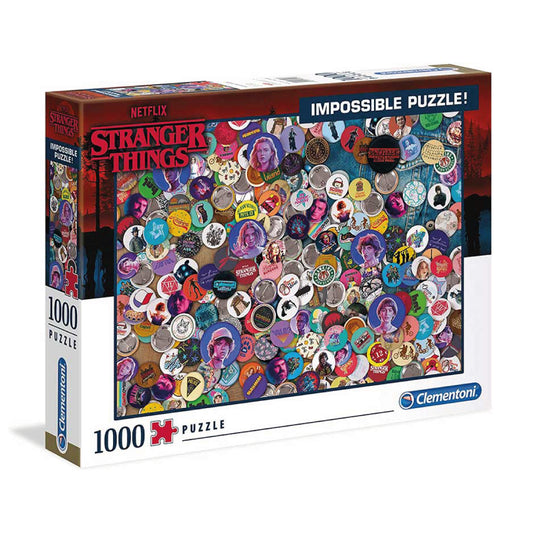


Two sets of eyes on the same puzzle completely alter the experience. When a couple sits at a table with a puzzle, they're not just fitting pieces together or solving riddles. They're fine-tuning communication, learning to share tasks, celebrating small victories, and accepting that their rhythm is their own.
There are nights when conversation flows as the pieces are sorted by color. On other nights, complicit silence reigns. Both count. The important thing is that the activity creates space for presence, humor, and shared focus.
Why puzzles work so well for two
- They combine business with pleasure: they entertain, stimulate the brain and strengthen relationships.
- They have clear goals and immediate feedback. It's a school of satisfaction in short doses.
- The variety is huge: from 10 minutes to 3 hours, from relaxing to intense.
- They're inexpensive, reusable, and often quiet. Great for a screen-free night.
They also help calibrate expectations. A puzzle requires patience, clarity, and celebration of progress. It's exactly what a healthy relationship requires, but in a playful format.
What Makes a Puzzle Ideal for a Couple
Every duo has their own rhythms and tastes. The right choice isn't the most difficult or the most expensive. It's the one that strikes a balance between challenge and fluidity.
- Duration appropriate to your free time
- Theme that excites both of you
- Difficulty curve that doesn't break the rhythm
- Physical space and materials you already have at home
- Possibility to repeat, adapt or share with friends
A crucial detail: the feeling of progress. Choose puzzles that offer frequent small milestones. It maintains motivation and limits frustration.
Types of puzzles for couples
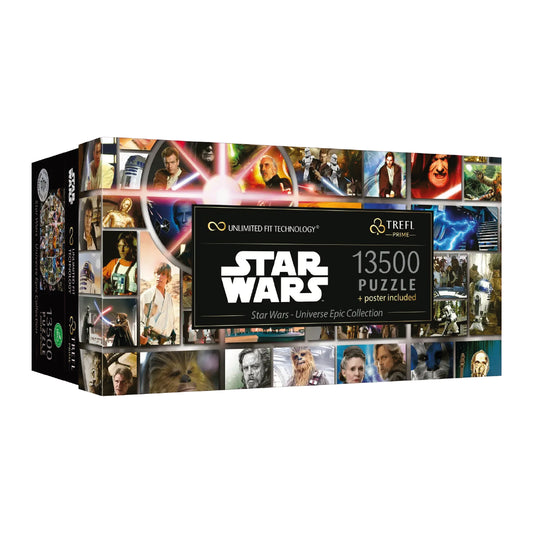
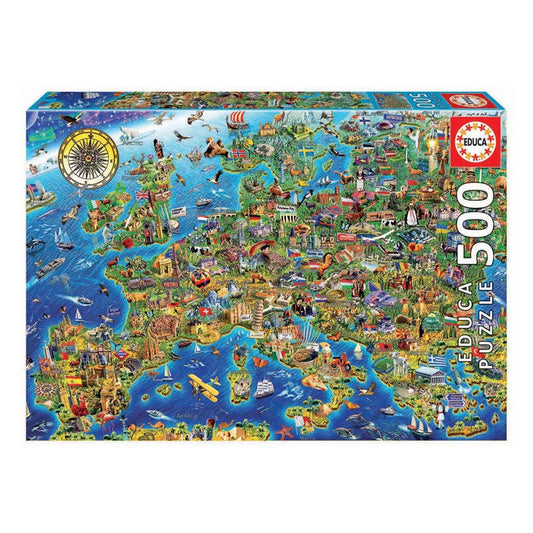
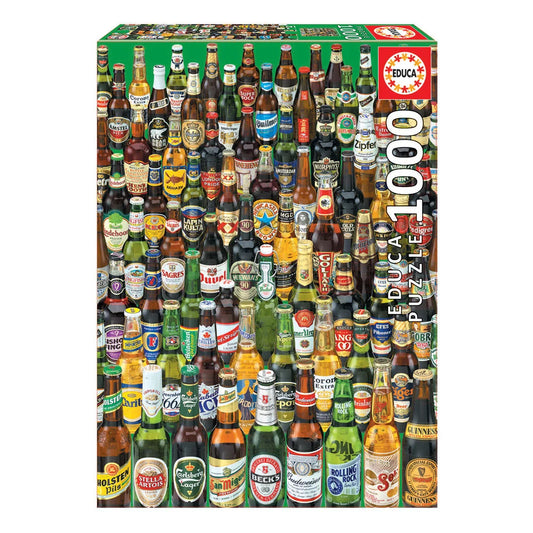
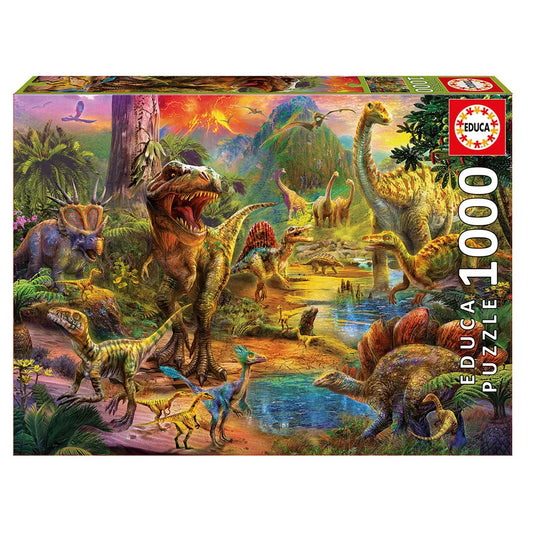
- Traditional puzzles: 500 to 1,500 pieces are perfect for couples. They last three or four evenings without dragging.
- Tabletop escape rooms: boxes or books with riddles, symbolic locks, and engaging narratives.
- Logic puzzles and riddles: grids, charades, substitution cipher, Sudoku, Kakuro and creative variations.
- “Murder mystery” at home: files with evidence, reports and clues to discover the culprit.
- 3D and mechanical puzzles: wooden, metal or plastic constructions, architectural models or Hanayama.
- Crosswords and cryptograms: ideal for Saturday morning coffee.
- Home treasure hunt: clues around the house that lead to a surprise.
- Cooperative digital puzzles: apps and online experiences with shared or remote screen.
You can create themed sessions. For example, a 300-piece mini puzzle to warm up, followed by a 60-minute escape room, and then a two quick riddles.
Quick guide by puzzle type
| Puzzle type | Typical weather | Suggested difficulty | Couple profile | Good for | Cooperation tip |
|---|---|---|---|---|---|
| 1000 piece puzzle | 2 to 6 evenings | Average | They like calm and details | Shared conversation and focus | Divide by colors and borders |
| Tabletop escape room | 45 to 90 minutes | Medium to high | Enjoy narrative and gentle pressure | Adrenaline and variety | Record clues in a notebook |
| Logical (Sudoku, grids) | 10 to 30 minutes | Low to medium | They prefer short sessions | Active breaks | Take turns explaining the reasoning |
| Murder mystery | 2 to 3 hours | Average | They like stories and deduction | Themed weekend | Define who reads and who synthesizes |
| Mechanical/3D | 20 to 60 minutes | Medium to high | They value manipulation and engineering | Rainy afternoon | Photographing intermediate states |
| Crosswords/cryptograms | 10 to 40 minutes | Low to medium | They love words | Coffee and laughter | Say clues out loud and discuss |
| Treasure hunt at home | 20 to 50 minutes | Low | They want movement and surprise | Birthdays and special dates | Alternate who creates and who resolves |
| Digital cooperative | 30 to 90 minutes | Variable | Remote or tech-friendly relationship | Online Saturdays | Screen sharing and notepad |
How to choose the right level without getting frustrated
- Getting Started: 500-750 piece puzzles, “initiation” escape rooms, engaging but straightforward logic grids.
- Already a habit: 1000 to 1500 pieces, a mix of cipher and deduction, a murder mystery with multiple layers.
- I like marathons: 2000 pieces, complex 3D puzzles, wooden boxes with secret mechanisms.
Respect the learning curve. A puzzle that seems easy to two people can become more challenging when communication is still developing. It's part of the process.
Environment and rituals that make a difference
- A well-lit desk or table. Warm light reduces eye strain.
- Low-key music and snacks that don't get your hands dirty.
- Puzzle cloth or mat to store between sessions without losing progress.
- Notebook, pencil and cell phone on silent mode.
A small initial ritual helps: five minutes to align expectations, divide roles, and agree on a break in between.
Cooperation strategies that really work
- Dynamic role division
- Observer: finds patterns, colors, connections.
- Assembler: tests hypotheses and fits.
By switching frequently, both train both skills.
- Simple rules
- Saying your reasoning out loud when arrested.
- Ask before touching someone else's area.
- Record failed attempts so as not to repeat them.
- Progress techniques
- From global to detail: borders first, then thematic blocks.
- From the details to the global: unique pieces, rare textures, letters.
- Group by fitting shapes when color is deceiving.
- Short breaks
Five minutes of separation restores clarity. Often, the "impossible" piece appears when they return.
5 to 15 minute micro-challenges
- Two cryptogram clues with partial alphabets.
- Cooperative 6x6 Mini Sudoku.
- A visual riddle printed from the internet.
- 150-piece jigsaw puzzle with warm-up timer.
Great between dinner and a show, or before bed.
Themes for special nights
- Classic cinema: poster puzzle, followed by a quote puzzle, and then watching the movie.
- Travel: puzzle map, treasure hunt with postcards and a typical dessert from the destination.
- Victorian Mystery: Candlelit Murder Mystery with Black Tea.
- Modern art: Kandinsky puzzle, visual riddles, instrumental playlist.
Small accessories elevate the experience: aged coffee cards, sealed envelopes, improvised stamps, self-adhesive seals.
Create your own puzzle
Building a home challenge connects creativity and attention to each other.
- Photographs: Print a photo of two and cut it into pieces with irregular patterns.
- Ciphered messages: using Caesar cipher in a romantic note.
- City Map: Mark special locations and create cryptic clues.
- Secret Box: Recycle a box and add a closure with magnets and hidden clues.
- Sequence of envelopes: each one contains a clue to the next, until you reach a letter or surprise.
Tech tip: Test each step separately to ensure the flow makes sense, without dead ends.
Digital puzzles for long-distance couples
It's not always possible to be in the same room. Still, it's possible to create closeness.
- Cooperative escape apps with synchronous puzzles.
- Crosswords shared in real time.
- Logic puzzle platforms with private rooms.
- Video call and camera pointed at the table to assemble a physical puzzle together, combining “commands” and descriptions.
The key is clean audio, a channel for notes, and clear turn rules.
Avoiding friction without losing rhythm
- Combine signal to request a “technical timeout” without a trial.
- Avoid correcting someone else's piece without asking permission.
- Value the attempt and not just the end result.
- Humor as an escape valve.
When the block hits, switch puzzles for 10 minutes. The sense of achievement in another challenge unlocks the first.
Gift ideas that create memories
- Personalized puzzle with a travel photo.
- Collection of tabletop escape rooms with increasing levels.
- Monthly subscription to printed puzzles.
- 3D puzzle of the monument where the first kiss took place.
- Hanayama metal box with elegant design for the shelf.
Include a card with a "mission" for you both to accomplish. A simple touch transforms the object into an experience.
Recommendation of common materials and brands in Portugal
- Piece puzzles: Ravensburger, Clementoni, Educa, Heye, Castorland.
- Escape Table Rooms: Exit, Unlock, Deckscape, Escape The Room.
- Murder mystery: collections in Portuguese and international editions with little text.
- Mechanics: Hanayama, Huzzle, Ugears (wooden models).
- Logic and words: newsstand magazines, specialized publishers and applications with cooperative mode.
Look for Portuguese versions whenever possible. It reduces language fatigue and keeps you focused on your reasoning.
How to Turn a Long Puzzle into a Light Habit
- 25-minute sessions with timer.
- Clear stopping point: finish the frame, complete a block, solve three clues.
- Progress photo before tidying up.
- Small incentives: a special drink when you reach each milestone.
Momentum comes from realistic goals. Better 25 minutes a day than four hours every now and then.
A 30-day calendar for practicing as a partner
Week 1
- Day 1: 150 piece mini puzzle.
- Day 2: Three short logic grids.
- Day 3: break.
- Day 4: Crossword together.
- Day 5: Introductory Escape Room.
- Day 6: Visual puzzles.
- Day 7: Rest or favorite repeat.
Week 2
- Day 8: 500 piece puzzle, borders and a block.
- Day 9: Cryptogram with romantic message.
- Day 10: break.
- Day 11: simple “who is to blame” mystery.
- Day 12: Kakuro in pairs.
- Day 13: 30-minute scavenger hunt at home.
- Day 14: rest.
Week 3
- Day 15: Continue the puzzle.
- Day 16: Metal Mechanic Level 2.
- Day 17: break.
- Day 18: Medium escape room.
- Day 19: Themed crossword.
- Day 20: Build a basic secret box.
- Day 21: rest.
Week 4
- Day 22: Finish the puzzle.
- Day 23: Mini riddle tournament.
- Day 24: break.
- Day 25: Murder mystery with friends via video call.
- Day 26: Advanced Cooperative Sudoku.
- Day 27: culminate the secret box with a surprise.
- Day 28: rest.
- Day 29: free night to repeat your favorite.
- Day 30: Create your own riddle and swap.
There's nothing stopping you from adjusting your days to fit your schedule. The goal is to maintain consistency and fun.
Puzzles as a communication tool
There's something special about saying, "I don't see it," and being told, "Let me try." It's a practice in humility, trust, and listening.
- Useful questions: what do we already know, what hypothesis did we test, what clue did we ignore, what portion is independent of the rest.
- Phrases that help: “Explain your reasoning to me”, “I want to try your method for 5 minutes”, “Let’s take notes and come back in a bit”.
A double-entry notebook resolves half the misunderstandings: on one side, clues, on the other. In between, hypotheses to be validated.
Adjusting the experience to different cognitive styles
Not everyone approaches problems the same way. Taking advantage of this is a competitive advantage.
- Visuals: shine with colors, shapes and patterns.
- Analytical: progress with step-by-step deduction.
- Kinesthetics: prefer to manipulate parts and feel mechanical resistance.
- Verbal: notice puns, double meanings and strings of letters.
Setting up the session to value these differences increases both parties' satisfaction.
Puzzles in small spaces
- Use a magnetic tray or felt mat to roll and arrange.
- Pots or boxes to separate pieces by color.
- Bookends to keep instructions and clues in view without cluttering the table.
- Rechargeable clip light so you don't have to rely on large bulbs.
Every inch counts. Clean visual organization reduces errors and accelerates progress.
Photographing and archiving memories
Recording milestones, fun failures, and the final image creates an album that tells the story of your collaboration. Quick tips:
- Photo of the table before starting, in the middle and at the end.
- Short caption with total time and favorite moment.
- Shared folder with dates and themes.
Later, revisiting these images rekindles conversations and suggestions for the next challenge.
When you want extra intensity
- Timed escape room with penalty for clues used.
- Mix two small puzzles in a box and try to separate them.
- Solve a puzzle in a quiet public place, such as a garden, to gain focus from distraction.
- Nighttime scavenger hunt with flashlights and QR codes.
It's a good idea to agree on safety rules and a clear time limit. Pressure should bring laughter, not tension.
When the goal is to relax
- Puzzles with smooth landscapes and gradients.
- Themed crosswords about cooking, travel or music.
- Simple 3D puzzles with clear visual instructions.
- Sessions without a clock, just music and tea.
The difference lies in the intention. If the day has been long, a puzzle that invites calm is a gift for both of you.
A little guide for your first puzzle night
- Prepare the table and drinks.
- Choosing a 500-piece puzzle or a 60-minute escape.
- Set roles for 15 minutes and then switch.
- Short pause in between.
- Progress photo and two sentences about what went well.
Finally, arrange the next meeting. Continuity adds depth to the experience and creates new bonds each month.