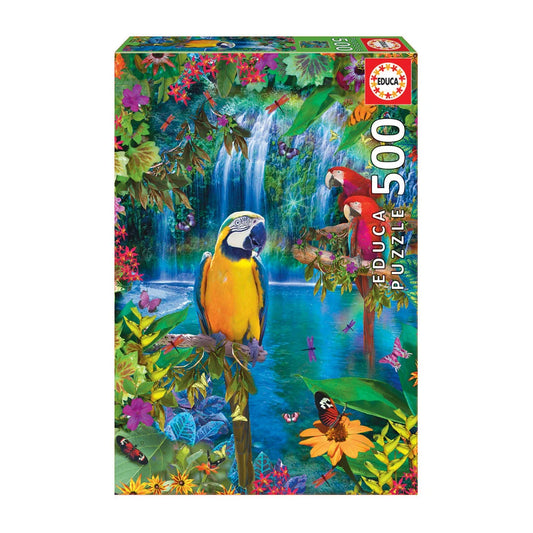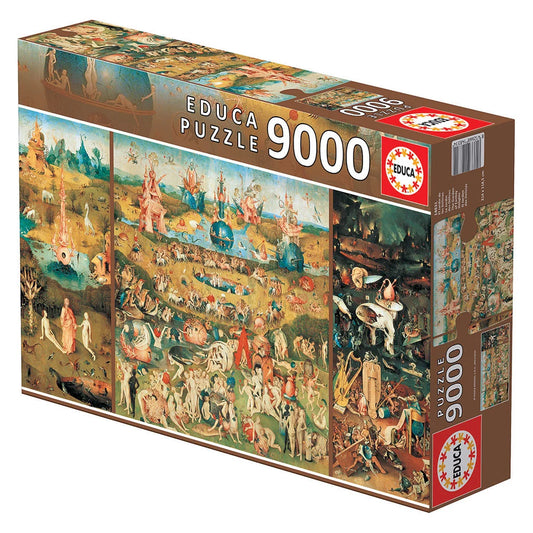


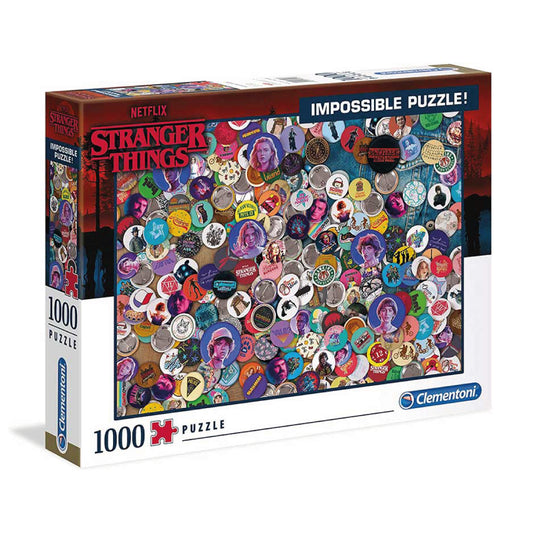



Taking a deep breath and fitting a piece together. Scribbling a number and feeling everything align. Reading a clue and smiling as the meaning unfolds. Puzzles do this in minutes. They take us out of the whirlwind of notifications and deadlines, offering a concrete, beginning-middle-end task with simple rules and clear satisfaction. They're not just a pastime. They're gentle focus practices that can reduce muscle tension, calm thoughts, and restore a sense of control.
No retreat is necessary. Five minutes with an easy Sudoku, ten with a tangram, three with a maze on your phone. The effect adds up. And when choices are made intentionally, relief comes faster.
Why the brain relaxes when we solve puzzles
The brain thrives on closure. With each small victory, you release a dose of well-being that encourages you to keep going. At the same time, your attention is focused on a clear and measurable goal, reducing room for rumination.
Some mechanisms that explain the feeling of calm:
- Focus on and worry off. The puzzle requires selective attention and eliminates irrelevant stimuli.
- Regular breathing rhythm. A state of calm concentration tends to stabilize breathing and heart rate.
- Satisfaction by stages. Micro-rewards for each correct piece or deciphered clue help respond to stress with motivation rather than tension.
- Predictability. Simple rules reduce uncertainty, one of the biggest sources of stress.
- Sensory break. Analog puzzles give the screen a break. Digital puzzles offer lightness and portability when used sparingly.
This combination creates a state of absorption in which time passes more slowly, but doesn't drag. A small mental oasis that fits in your pocket.
Puzzles for every mood
Not all puzzles require the same amount of energy. Some days you want something mechanical and tactile. Other days, a numerical grid is enough. Mapping the type of puzzle to your level of fatigue helps you get the most out of it.
| Puzzle type | Typical time per session | Activation level | Dominant sensation | Suitable for |
|---|---|---|---|---|
| Jigsaw puzzle (pieces) | 10 to 30 min | Calm | Rhythm and visual flow | Screen fatigue, need to slow down |
| Crossword | 5 to 15 min | Moderate | Linguistic insight | Ruminations, noisy mind |
| Easy to medium Sudoku | 5 to 20 min | Moderate | Clarity and order | Decision overload and diffuse priorities |
| Nonograms/Picross | 10 to 25 min | Moderate | Emerging patterns | Agitation and need for structure |
| Tangram/Polyominoes | 5 to 10 min | Calm | Touch and form | Mild physical stress, urge to move hands |
| Mechanical puzzles | 5 to 15 min | Intense | Tactile curiosity | Creative blocks and restlessness |
| Mazes and connect-the-dots | 3 to 8 min | Calm | Continuous line | Quick breaks between tasks |
| Short logic puzzles | 5 to 10 min | Moderate | Aha effect | Diffuse mental tension, need to reset |
If anxiety causes visual fatigue, puzzles with more gestures and less reading tend to help. If the mind won't stop talking, short clues and discreet deductions offer anchoring.
How to choose the right puzzle for your moment
The best choice is the one that fits the energy you have now, not the energy you want to have.
- Only have 5 minutes? Choose small grids, mazes, 4x4 mini sudokus, or a pocket-sized mechanical puzzle.
- Need to slow down? Jigsaw puzzles with large pieces, nonograms with beginning levels, color by numbers.
- Want to sharpen your wits? Themed crosswords, kakuro puzzles, and logic puzzles with 3 to 4 clues.
- Is the environment noisy? Opt for something visual and tactile, preferably without continuous reading.
- Do you enjoy collaboration? Shared tabletop puzzles, paired crosswords, visual challenges on a white wall.
Some simple micro rules:
- If you feel impatient, reduce the complexity to 70 percent of what you consider challenging.
- If you feel lethargic, increase the difficulty to 110 percent and limit the time with a gentle alarm.
- If you're just starting out, ignore records and times. Embrace the smooth feeling of the process.
5-minute microhabits that fit into your day
Small routines create effortless consistency.
- Before the morning email: a 4x4 sudoku or a 5x5 nonogram.
- Between meetings: a printed maze or on your cell phone in airplane mode.
- Lunch break: three crossword clues while you drink water.
- In the afternoon, low energy: tangram with two pieces removed, to feel rapid progress.
- On the way home: light podcast and a simple mechanical puzzle on public transport.
- On the sofa: 20 pieces of the tabletop puzzle, always in the same corner of the board.
- Before bed: small nonogram with warm light and night mode.
Practical tip: Always have three options ready in different formats. One on your phone, a notebook in your bag, a project on your desk. You choose based on the moment, not on desire.
Techniques to reduce pressure and maintain pleasure
Puzzles should be a relief, not a burden. Some strategies avoid turning rest into a chore.
- Set a generous time limit and stop when it rings, even while you're in progress.
- Divide the puzzle into sections. In the jigsaw, group by color or edge and close one mini-zone at a time.
- Use a difficulty marker. Today, only green levels. Save the red ones for another day.
- Alternate breathing 4-2-6. Inhale for 4 beats, hold for 2, exhale for 6. Do three cycles before beginning.
- If you get stuck, change puzzles guilt-free. Switching refreshes your focus and prevents frustration.
- Keep a notebook of clues handy. Write down little tricks that worked, like "in a Sudoku, look at the extremes first."
Environment counts:
- Soft side light, no reflection on the paper.
- Slow instrumental music or light white noise.
- Cell phone in focus mode. Notifications interrupt the absorption state.
Analog and Digital: Choosing the Right Medium
There's no perfect format for every situation. There are contexts.
| Format | Advantages | Risks to be managed | Ideal situations |
|---|---|---|---|
| Analog | Touch, screen pause, visual memory | Space, storage, lost parts | End of the day, weekend, living room |
| Digital | Laptop, variety, automatic registration | Eye strain, notifications | Travel, queues, short breaks |
Some apps let you turn off animations and adjust contrast. It's worth it. On paper, a good pencil and eraser make the experience smoother. If you work long hours at the computer, use an analog stick to rebalance your senses. If your day is unpredictable, a set of minimalist apps ensures consistency.
Create a calm space at home
Where you play with problems will influence how your body releases.
- A stable and clean surface, even if small. A movable jigsaw tray helps you save and resume work without disturbing the rest of your work.
- Simple organization: boxes for parts, rubber bands for notebooks, a cup for pencils.
- Warm, directional lighting. Avoid bright lights in the field of vision.
- A small opening and closing ritual. Turn on a light, inhale three times, and then put the pieces back together.
- If you share a home, establish a clear “I’m relaxing now” signal to avoid unnecessary interruptions.
You don't need a dedicated room. A corner that invites you to return is enough to create continuity.
Team puzzles to relieve stress at work
Solving problems together without pressure brings people closer and lightens the mood. The key is to eliminate the competitive aspect and focus on collaboration and laughter.
Simple ideas:
- A 500-piece jigsaw puzzle in the break room, with a sign saying “5 to 10 minutes per person.”
- Whiteboard with one nonogram per week. Each person fills in a line during breaks.
- Crossword puzzle designed during a Friday coffee break. Answers read aloud, no punctuation.
- Monthly email newsletter with short riddles. Jokes and creative answers are welcome.
- Occasional afternoon of giant tangrams cut out of cardboard. Teams of 3 forming figures.
Implicit rules that help:
- No one gets "stuck" on a puzzle. Those who arrive make a small contribution and move on.
- There are no deadlines. The goal is the act, not the completion.
- Victories are shared. A progress photo, a funny comment, a doodle on the board.
Measuring the impact on your well-being
Seeing results motivates you to keep the habit. You don't need advanced gadgets.
- Self-stress scale 0-10 before and after 5 minutes of puzzle playing. Record for 10 days and observe the pattern.
- Resting heart rate, if you have a watch or device. Watch for slight variations after short sessions.
- Sleep quality in one sentence. "I woke up refreshed," "I woke up several times." Compare days with a calm nighttime jigsaw puzzle to days without.
- Screen time. In weeks with more analog puzzles, see if your phone use decreases at the end of the day.
- Mood diary. Two words a day: "satisfied, light" or "tense, accelerated."
If anxiety levels are persistent or interfere with daily life, seek support from a healthcare professional. Puzzles help, but they are not a substitute for clinical care when necessary.
Get started now with 7 quick challenges
There's nothing like testing it on your own body. Pick one of these today and schedule five minutes.
- 4x4 Lightning Sudoku
Write the numbers 1 through 4 in the rows and columns without repeating them. Use two basic rules:
- Look for nearly complete lines.
- Fill in the boxes with the fewest options first.
-
Mini nonogram 5x5
Make a 5x5 grid. Put clues 2 1 in the first row, 3 in the second, 1 1 1 in the third, 5 in the fourth, 2 in the fifth. For columns, try 1 1, 3, 1 1, 3, 1 1. Fill in the cells according to the counts. Watch the picture emerge. -
Paper tangram
Draw a square and cut out a classic tangram. The goal: to form a simple fish. If you don't succeed the first time, reorient the larger piece and continue. -
Short logic puzzle
Three friends, Ana, João, and Rita, bought three different fruits: an apple, a pear, and a grape. Ana doesn't like grapes. The person who bought the pear is next to the person who bought the apple. João didn't buy the pear. Who got each fruit? Create a small table and eliminate impossibilities. -
Drawn maze
On a piece of paper, trace two giant overlapping letters, like a B and a C. Turn the outlines into walls and challenge yourself to go from start to finish without touching the lines. It becomes surprisingly engaging. -
Mini crossword
Theme: Coffee. Prepare simple clues like "roasted bean" for "ARABICA" or "short, intense drink" for "ESPRESSO." Five to seven words. Make a small grid. Filling it in with a pen gives a pleasant sense of commitment. -
Pocket mechanical puzzle
Use a classic 3x3 and challenge yourself to solve just one face, focusing on the method, not the time. Watch your breath as you spin. Stop after five minutes, no matter how far you've gotten.
If you prefer something completely visual, draw four squares that share corners and count how many different squares there are in the set. The answer is often surprising.
A habit is born from a single step. Then, small, repeated choices are enough for puzzles to go from being a rare luxury to a reliable anchor on demanding days. Start small, keep the tone playful, and let calm take hold piece by piece.