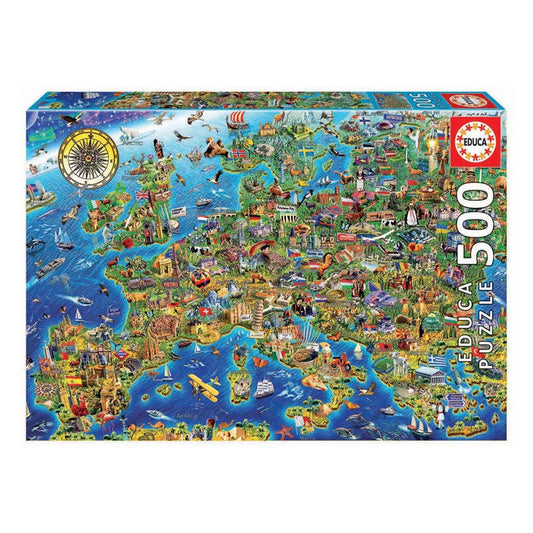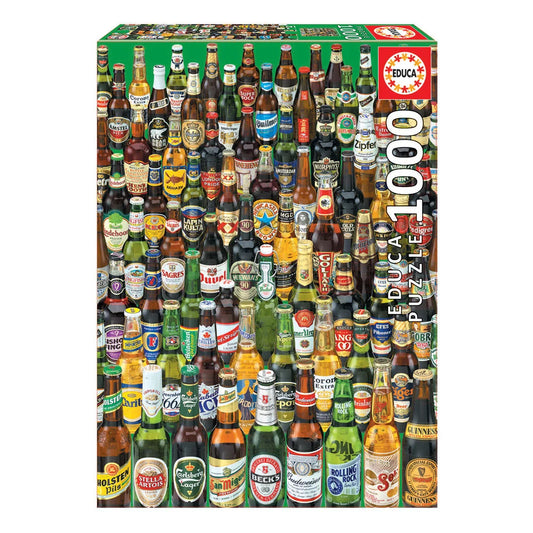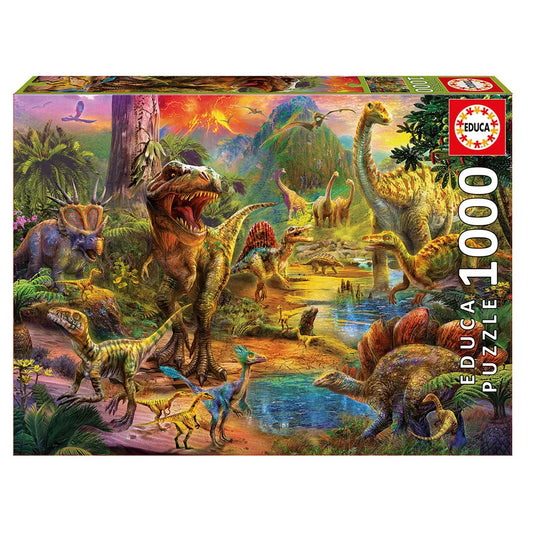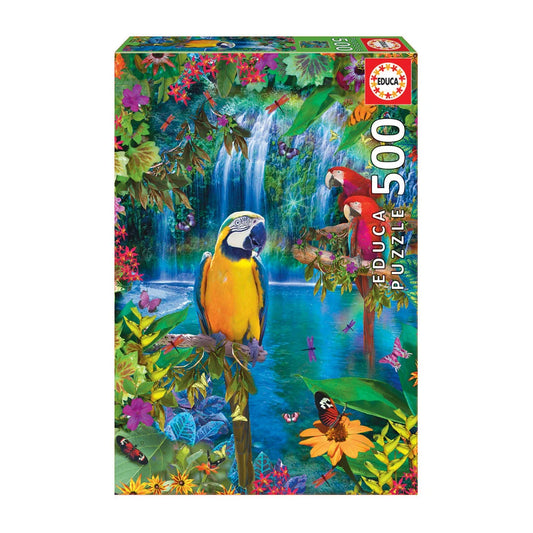


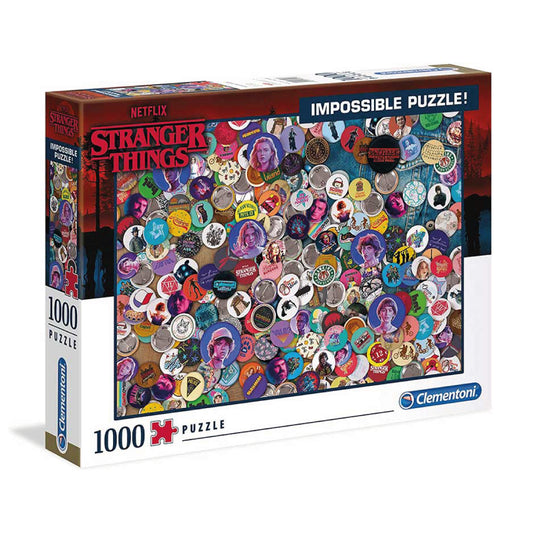




An empty board, scattered pieces, and an image that only makes sense at the end: this is the irresistible invitation of Clementoni's 1,000-piece puzzles. In a time of constant external noise, patiently constructing an image takes on a new meaning. This seemingly simple activity reveals several benefits and challenges, especially when choosing a leading brand like Clementoni.
Jigsaw puzzles have won over fans of all ages. The reason isn't just entertainment or the satisfaction of completing a complex image. Participating in this ancient practice allows you to train your brain, exercise patience, and nurture creativity, all without leaving your seat.
The Clementoni brand, known for the quality of its materials and the precision cuts of its pieces, has become a favorite among those seeking something challenging and captivating. The 1,000-piece format, in particular, offers enough complexity to guarantee hours of concentration, without becoming impossible for most enthusiasts.
The appeal of 1000-piece puzzles
One of the reasons choosing a 1,000-piece Clementoni puzzle has become almost a ritual is the immersive experience. With this number of pieces, the challenge is guaranteed, but so is personal fulfillment.
Each box contains not only the illustrated image on the lid, but also a promise of individual achievement. Creating a landscape, a famous painting, or an abstract design involves analyzing shapes, seeking patterns, testing hypotheses, and, most importantly, not giving up.
Anyone who dedicates themselves to 1000-piece puzzles quickly realizes the main advantages:
- Attention to detail training : Small nuances of color make all the difference
- Organizational Ability : Separating parts by color, type, or location requires method
- Resistance to frustration : It's not always easy to find what's missing
- Time management : Solving a puzzle is not done in a hurry, it requires calmness.
This experience doesn't end the moment the last piece fits together. There are strategies, stories shared among friends, and even leaderboards where you compete for completion time.
Why choose Clementoni?
Among the many options available in stores, Clementoni has become an almost "automatic" choice for many. This isn't just due to the beauty of the selected images, which range from classic Van Gogh paintings to nature photographs or iconic cities.
The quality of the pieces makes all the difference. No one wants a puzzle where the pieces are too thin, crumble, or don't fit together properly. The Clementoni experience is marked by:
- Robust and durable parts
- Precise and unique cut , avoiding repetitions that confuse the user
- Matte finish , which reduces reflections and makes it easier to work for hours at a time
- Vivid colors, faithful to the original image
These features make every session with a Clementoni puzzle a moment of pleasure, where technical frustration rarely gets in the way of the real challenge: solving the visual puzzle.
The selection of images: inspiration for all tastes
Upon opening a Clementoni box, each photograph reveals itself to be captivating, or at least surprising in its detail. Some prefer famous works like "The Starry Night," while others are captivated by inhospitable landscapes, majestic felines, or scenes from everyday life.
Clementoni's catalog covers genres such as:
| Gender | Examples | Target audience |
|---|---|---|
| Classical art | Monet, Van Gogh, Klimt | Adults, art lovers |
| Nature | Landscapes, animals, flowers | The whole family, environmentalists |
| Cities & monuments | Paris, New York | Travelers, cultural curious |
| Abstract drawings | Mandalas, visual patterns | Young adults, creative |
This variety provides different experiences depending on the mood or interest at that moment.
Sometimes, simply choosing a theme is part of the challenge: would I prefer the uniform tones of a cloudless sky, or a vibrant market bursting with color? It all depends on the mood of the person sitting at the table.
Strategies to beat a 1000-piece Clementoni
When facing such a dense puzzle, the feeling of getting lost is real. For many, getting started can be intimidating; for others, every beginning holds promise.
From the shared experiences, some very effective approaches emerge:
- Organize the pieces by color and pattern : Grouping blues with blues, greens with greens, makes the first steps much easier.
- Build the margins first : The side pieces help define the workspace and give initial motivation
- Focus on areas with unique details : Parts of the image with distinct patterns (flowers, objects) are often easier to
- Be patient and don't force pieces that don't fit : The temptation is great, but it can harm the next fit.
Turning these tips into a routine means that, piece by piece, the puzzle stops being a sea of anonymous shapes and becomes a picture under construction.
What do you (really) get from putting together a 1000-piece puzzle?
Many people start for fun, but soon realize there are less obvious benefits. Putting together 1,000-piece Clementoni puzzles develops mental and emotional skills.
Clear improvements emerge in areas such as:
- Visual Memory : The brain is constantly stimulated to remember patterns and shapes
- Fine motor coordination : Precise movements, essential for fitting pieces together without damaging them
- Problem-solving : Each “missing” piece forces you to experiment with hypotheses and deal with frustrations.
- Perseverance : Moments of doubt give way to small victories that motivate you not to give up
Investigating these effects has been a recurring topic in neuroscience studies. Developing attention in prolonged tasks like this is linked to healthier cognitive aging.
It's also an invitation to socialize: while your hands work, there's time for conversation, sharing stories, or complicit silence between friends and family.
The therapeutic effect of the puzzle
Many find that solving 1000-piece Clementoni puzzles becomes an almost meditative practice.
Away from social media or phone notifications, time seems to take on a new dimension. Focused attention, thoughts slow down. Even if the anxiety of finishing arises, it's eventually overcome by the calm of routine and the multitude of small discoveries that unfold.
Having a puzzle on the dinner table can, after all, be an invitation to slow down, reinterpret free time and, why not, challenge your own mind.
Puzzle finished: what to do now?
The satisfaction of putting on the final piece is real, but what happens next? Everyone has their own favorite ritual:
- Dismantle with pleasure and offer to other family members or friends.
- Saving for a future replay on rainy days
- Glue and frame, immortalizing hours of dedication on a special wall
Sharing the result on social media is customary, making the achievement visible and, perhaps, inspiring others to try it too. The important thing, however, remains: the construction of the puzzle is a more valuable experience than the final product.
It's never just a box of pieces. Each 1,000-piece Clementoni puzzle is a project of resilience, focus, and rediscovering one's ability to solve challenges, piece by piece.